
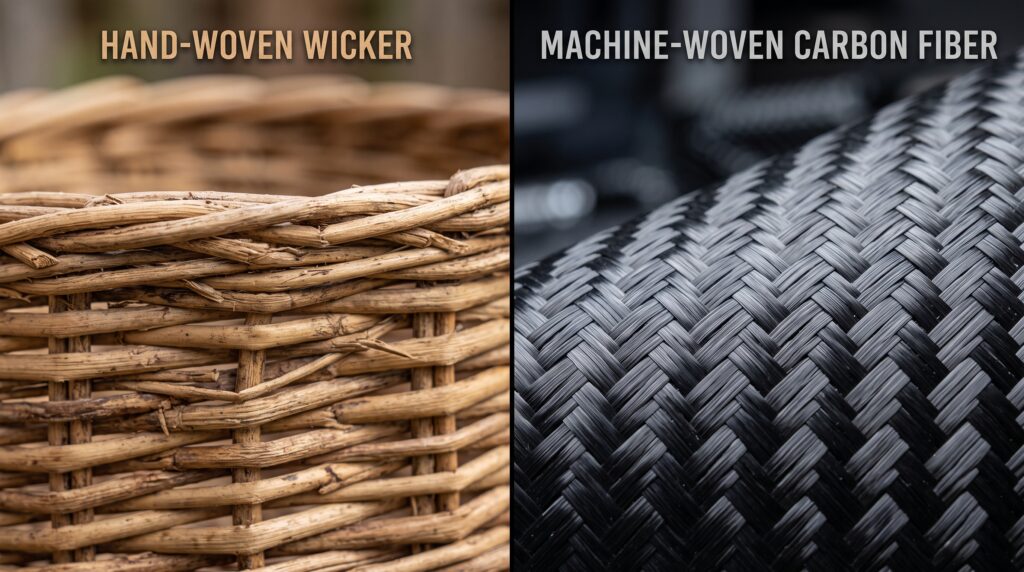
weaved or wove

Weaved or Wove: 7 Powerful Differences Explained to Master the Correct Past Tense

Weaved or Wove: 7 Powerful Differences Explained to Master the Correct Past Tense

The difference between weaved or wove is a common English grammar confusion because both words are connected to the verb weave. Many learners wonder which form is correct and when to use each one.

The confusion happens because weave has different meanings. It can describe making fabric by crossing threads, but it can also describe moving through something or creating something in a connected way.

Although they look similar and come from the same verb, they are not always interchangeable. This guide explains weaved vs wove, including meanings, grammar rules, examples, common mistakes, and easy memory tricks.


Quick Answer: Weaved or Wove?

Wove is the traditional past tense of weave when talking about creating fabric or materials. Weaved is also correct, especially when describing movement or repeated weaving actions.

Examples:

• She wove a beautiful basket.
• The car weaved through traffic.
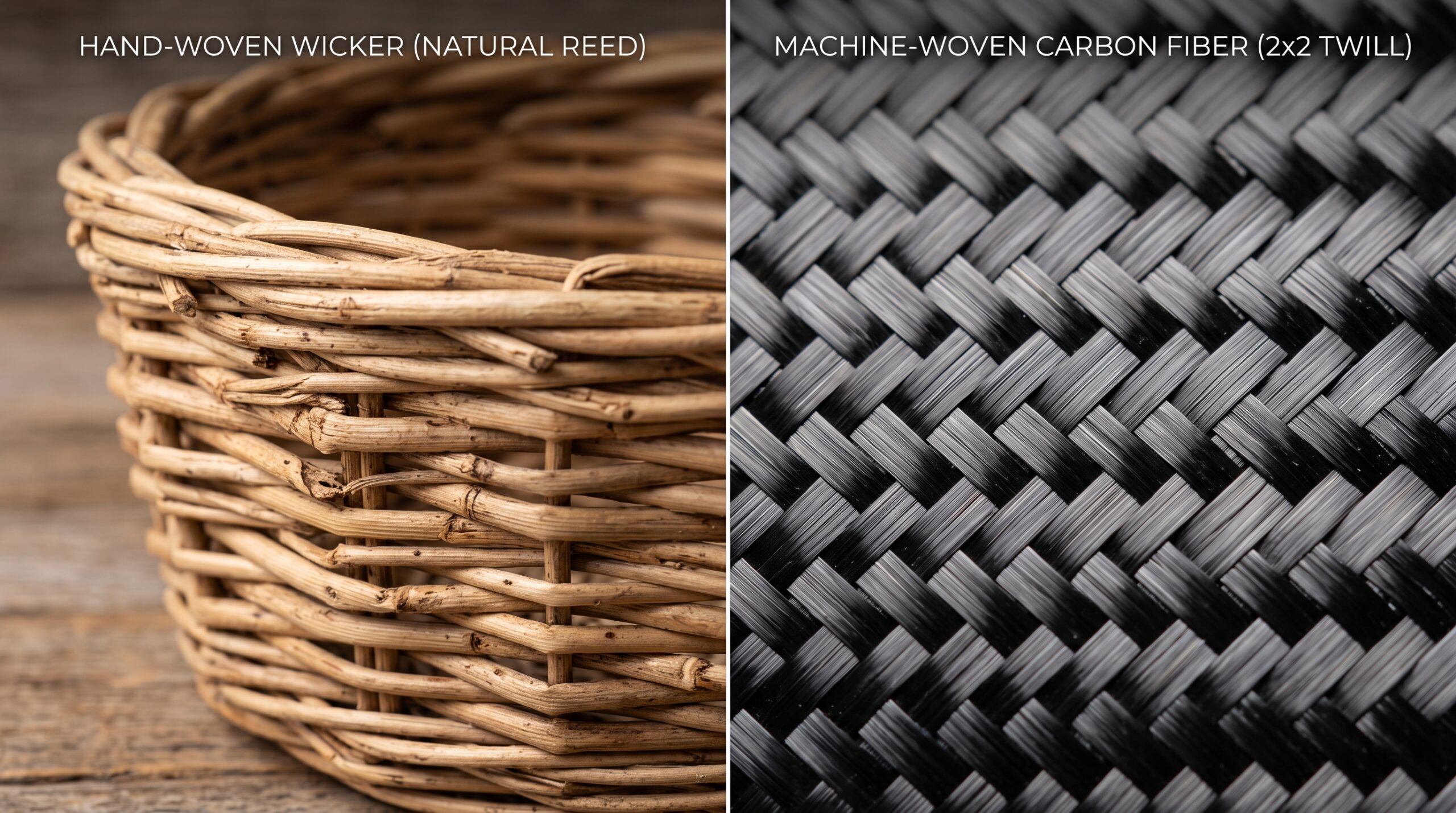
weaved or wove


What Does Wove Mean?

Wove is the simple past tense of weave. It is most commonly used when someone creates something by crossing materials such as thread, fabric, or plants.

Common uses:

• Making cloth
• Creating baskets
• Forming patterns with materials

Examples:

• She wove a scarf from wool.
• The artist wove a traditional design into the fabric.
• They wove a basket by hand.

Key insight: Use wove mainly for the physical act of creating something through weaving.


What Does Weaved Mean?

Weaved can also be the past tense of weave, but it is often used for movement or situations where something moves in and out of spaces.

Common uses:

• Moving between objects
• Creating a path through something
• Describing repeated actions

Examples:

• The runner weaved through the crowd.
• The car weaved between the vehicles.
• She weaved her way through the busy street.

Key insight: Weaved is commonly used for movement and navigation.


Weaved vs Wove: Main Differences

FeatureWeavedWove
Verb FormPast tense of weavePast tense of weave
Common MeaningMoving around or through somethingCreating fabric or objects
UsageMovement, paths, actionsThreads, materials, patterns
ExampleHe weaved through peopleShe wove a cloth


Why Do These Two Words Exist?

The verb weave developed multiple meanings over time.

Originally, weaving referred to crossing threads to create fabric. Later, the word expanded to describe movement that goes back and forth, similar to the pattern of woven material.

Because of this change, English developed two common past tense forms:

• Wove for material creation
• Weaved for movement


Real World Usage Scenarios

Example 1: Making Clothing

Sentence:

“The designer wove a unique pattern into the fabric.”

🎯 Lesson: Use wove when creating textiles or designs.


Example 2: Driving

Sentence:

“The driver weaved through heavy traffic.”

🎯 Lesson: Use weaved for moving between things.


Example 3: Story Writing

Sentence:

“The author wove different ideas into the story.”

🎯 Lesson: Wove can also mean combining ideas creatively.


Example 4: Sports Movement

Sentence:

“The player weaved past defenders.”

🎯 Lesson: Weaved describes movement around obstacles.


Common Mistakes With Weaved or Wove

Mistake 1: Using wove for movement

Incorrect:
❌ The car wove through traffic.

Better:
✅ The car weaved through traffic.

Why:
Movement usually uses weaved.


Mistake 2: Using weaved for fabric

Incorrect:
❌ She weaved a blanket.

Better:
✅ She wove a blanket.

Why:
Creating fabric usually uses wove.


Mistake 3: Thinking one form is always correct

Why it happens:
Both words come from the same verb.

Correction:
The correct choice depends on the meaning.


Memory Trick: Weaved vs Wove

Remember:

Wove = Woven things

Think:

Wove → woven fabric

Weaved = Went through

Think:

Weaved → moved around


Expert Insight: Grammar Explanation

The verb weave is an example of an irregular verb because its traditional past form changes from weave to wove instead of simply adding “ed.”

However, English also allows weaved in certain meanings, especially when referring to movement.

This is why both forms can be correct, but the context decides which one sounds natural.

Conclusion: Weaved or Wove?

The difference between weaved or wove depends on the meaning.

Use wove when talking about creating fabric, objects, patterns, or combining ideas.

Use weaved when describing movement through people, objects, or spaces.

Understanding the context makes choosing the correct word simple and helps you use English more naturally.


Scroll to Top