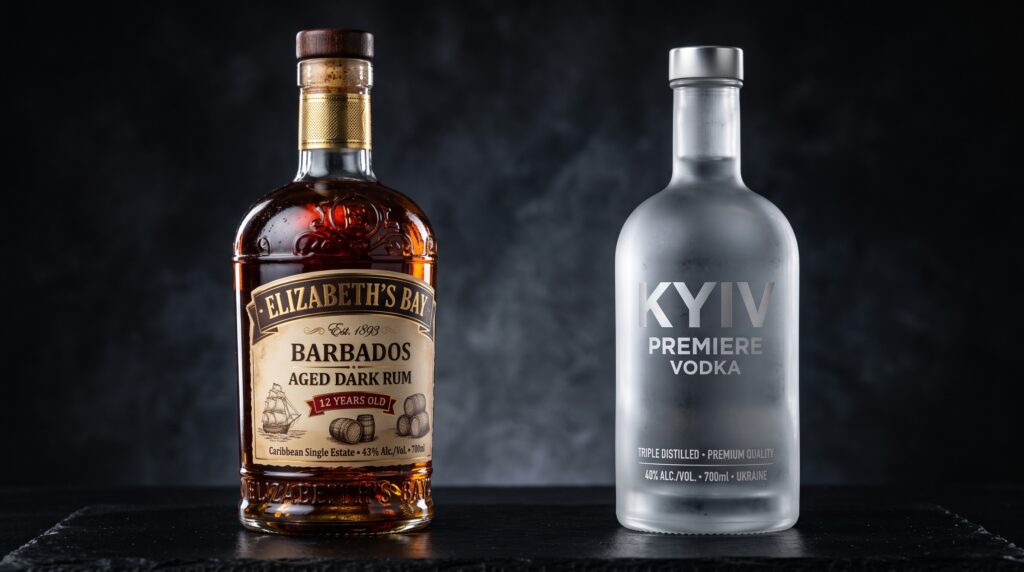
Rum or Vodka: 7 Essential Differences Explained to Understand These Popular Spirits
Choosing between rum or vodka is a common question for people learning about distilled spirits. While both are widely recognized around the world, they differ in their ingredients, production methods, flavor profiles, and cultural origins.
Although rum and vodka are both distilled alcoholic beverages, they are made from different raw materials and have distinct characteristics. Rum is typically produced from sugarcane byproducts, while vodka is commonly distilled from grains or potatoes, though other ingredients may also be used.
This educational guide explains rum vs vodka, including their history, production, flavor, common uses, and key differences.
Note: This article is for educational purposes only and does not encourage alcohol consumption.
Quick Answer: Rum or Vodka?
Rum is a distilled spirit primarily made from sugarcane products and is known for its naturally sweeter flavor. Vodka is a distilled spirit typically made from grains or potatoes and is valued for its clean, neutral taste.
The main difference is their ingredients, flavor profile, and production style.

What Is Rum?
Rum is a distilled alcoholic beverage traditionally produced from sugarcane juice, molasses, or other sugarcane byproducts.
After fermentation and distillation, some varieties are aged in wooden barrels to develop additional flavor and color.
Characteristics of Rum
Rum is often associated with:
- Sugarcane based production
- Sweet or caramel notes
- Light, gold, dark, or aged varieties
- Long history in Caribbean and Latin American regions
Key insight: The raw ingredient and aging process give rum its distinctive flavor.
What Is Vodka?
Vodka is a distilled spirit traditionally produced from grains or potatoes, although modern producers may also use corn, wheat, rye, or other fermentable ingredients.
Vodka is usually distilled multiple times and filtered to achieve a clean and neutral taste.
Characteristics of Vodka
Vodka is known for:
- Neutral flavor
- Clear appearance
- High level of purification
- Wide international production
Key insight: Vodka emphasizes purity and minimal flavor compared with many other spirits.
Rum vs Vodka: Key Differences
| Feature | Rum | Vodka |
|---|---|---|
| Primary Ingredient | Sugarcane products | Grains, potatoes, or other fermentable ingredients |
| Flavor | Sweeter and richer | Neutral and clean |
| Typical Color | Clear, gold, or dark | Usually clear |
| Aging | Some varieties are aged | Usually not aged |
| Production Focus | Flavor development | Neutral character |
| Historical Origin | Caribbean traditions | Eastern and Northern Europe |
Production Process
Rum
The general production process includes:
- Fermentation of sugarcane products
- Distillation
- Optional barrel aging
- Bottling
Barrel aging can influence both color and flavor.
Vodka
Vodka production generally involves:
- Fermentation
- Multiple distillations
- Filtration
- Bottling
The goal is often a clean and consistent final product.
Flavor Comparison
Rum
Rum may feature notes of:
- Caramel
- Vanilla
- Brown sugar
- Tropical fruit
- Oak (in aged varieties)
Vodka
Vodka is typically described as:
- Neutral
- Crisp
- Clean
- Mild
Its subtle flavor profile makes it distinctive among distilled spirits.
Historical Background
Rum has a long history connected to sugarcane cultivation in the Caribbean and the Americas.
Vodka has deep historical roots in Eastern and Northern Europe, where it became an important part of regional traditions and culture.
Both beverages have played significant roles in culinary history and global trade.
Real World Educational Examples
Example 1: Food and Beverage Studies
A student studying hospitality learns that rum and vodka differ primarily because of their ingredients and production methods.
🎯 Lesson: The source material greatly influences the final product.
Example 2: Culinary Education
A cooking instructor explains why different distilled spirits contribute different flavor characteristics to recipes.
🎯 Lesson: Production methods affect aroma and taste.
Example 3: History Class
Students explore how geography influenced the development of different distilled beverages.
🎯 Lesson: Local agriculture often shapes traditional food and drink.
Common Misunderstandings
Mistake 1: Thinking Rum and Vodka Are Made From the Same Ingredients
Why it happens:
Both are clear distilled spirits in many forms.
Correction:
Rum comes from sugarcane products, while vodka is commonly made from grains or potatoes.
Mistake 2: Assuming All Rum Is Dark
Why it happens:
Dark rum is widely recognized.
Correction:
Rum is available in clear, gold, and dark varieties.
Mistake 3: Believing Vodka Is Always Made From Potatoes
Why it happens:
This is a common misconception.
Correction:
Many vodkas are made from wheat, rye, corn, or other fermentable ingredients.
Memory Trick: Rum vs Vodka
Remember:
Rum = Sugarcane
Vodka = Neutral spirit from grains or potatoes
This simple association helps distinguish the two.
Expert Insight : Rum or Vodka
Rum and vodka represent two distinct traditions in distilled beverage production.
Rum emphasizes the character of sugarcane and, in many cases, the influence of barrel aging. Vodka emphasizes refinement through repeated distillation and filtration to achieve a clean, neutral profile.
From a food science and hospitality perspective, understanding these differences provides insight into fermentation, distillation, agricultural history, and regional culinary traditions.

Conclusion: Rum or Vodka
The comparison between rum or vodka is about understanding two different categories of distilled spirits rather than determining which is better.
Rum is traditionally produced from sugarcane products and is known for its richer flavor profile.
Vodka is commonly distilled from grains or potatoes and is recognized for its clean, neutral character.
Learning how they differ helps build a better understanding of food science, beverage production, and the cultural history of distilled spirits
The comparison between rum or vodka is about understanding two different categories of distilled spirits rather than determining which is better.
Rum is traditionally produced from sugarcane products and is known for its richer flavor profile.
Vodka is commonly distilled from grains or potatoes and is recognized for its clean, neutral character.
Learning how they differ helps build a better understanding of food science, beverage production, and the cultural history of distilled spirits