Leaves and Growth
Deciduous Trees
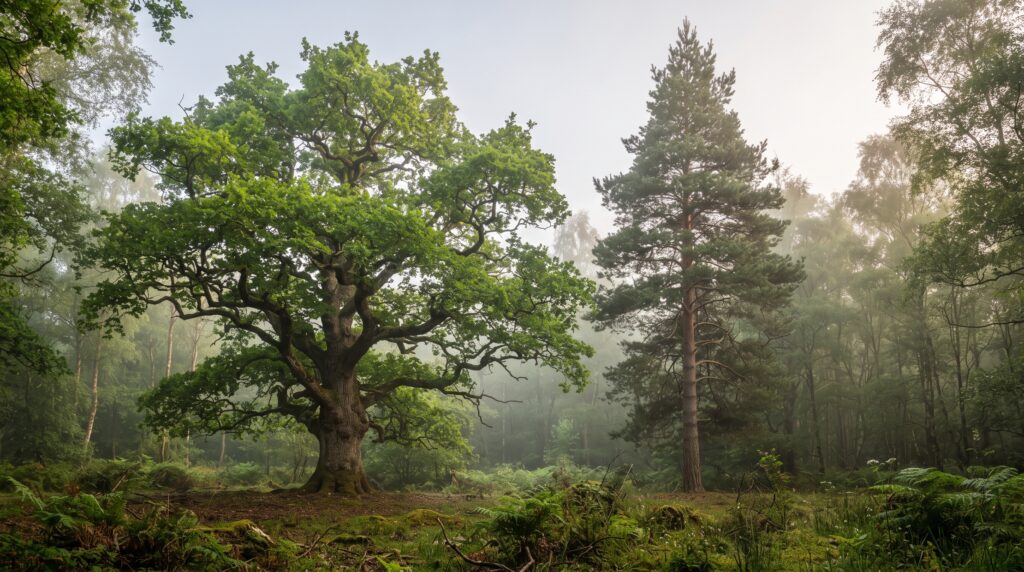
Broad leaves maximize sunlight during the growing season.
Advantages include:
- Rapid photosynthesis
- Fast seasonal growth
- Vibrant autumn colors
Coniferous Trees
Needle shaped leaves reduce water loss.
Advantages include:
- Better cold tolerance
- Improved water conservation
- Year round photosynthesis in many species
Habitat and Distribution
Deciduous Forests
Common in:
- Eastern North America
- Europe
- East Asia
- Parts of South America
These forests experience four distinct seasons.
Coniferous Forests
Found in:
- Canada
- Scandinavia
- Russia
- Mountain regions worldwide
They dominate many cold climate ecosystems.
Ecological Importance
Both tree types contribute significantly to biodiversity.
Deciduous Trees
They provide:
- Shade
- Wildlife habitat
- Nutrient rich leaf litter
- Seasonal food sources
Coniferous Trees
They provide:
- Year round shelter
- Winter habitat
- Soil stabilization
- Long term carbon storage
Real World Usage Scenarios
Example 1: Autumn Walk
You notice trees turning red and yellow before dropping their leaves.
🎯 Lesson: These are most likely deciduous trees.
Example 2: Winter Forest
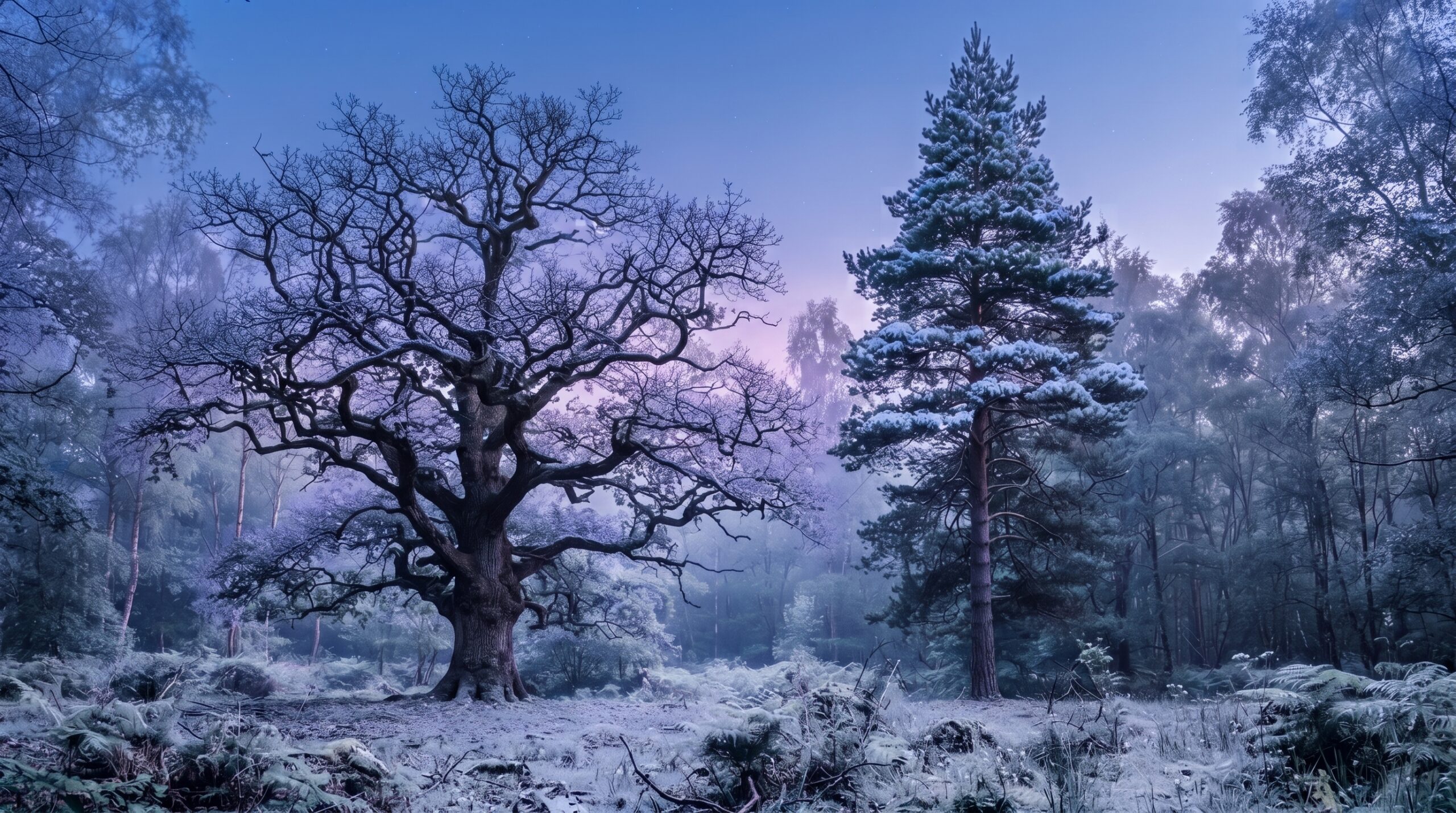
The trees remain green despite heavy snowfall.
🎯 Lesson: They are likely coniferous trees.
Example 3: School Biology Class
Students compare leaf shapes and reproduction methods.
🎯 Lesson: Broad leaves suggest deciduous trees, while cones and needles indicate conifers.
Example 4: Landscaping
A homeowner wants year round greenery.
🎯 Lesson: Coniferous trees are often chosen because many remain evergreen.
Common Mistakes
Mistake 1: Assuming All Evergreen Trees Are Conifers
Why it happens:
Most conifers stay green year round.
Correction:
Some evergreen trees are not conifers, and a few conifers lose their needles seasonally.
Mistake 2: Believing All Deciduous Trees Lose Leaves in Autumn
Why it happens:
Temperate forests are the most familiar example.
Correction:
In tropical climates, some deciduous trees shed leaves during dry seasons instead.
Mistake 3: Confusing Needles With Leaves
Why it happens:
Needles are a specialized type of leaf.
Correction:
Conifer needles are leaves adapted to reduce water loss and survive harsh conditions.
Memory Trick: Deciduous vs Coniferous
Remember:
Deciduous = Drop Leaves
Coniferous = Cones and Needles
This simple phrase makes identification much easier.
Expert Insight : Deciduous or Coniferous
The distinction between deciduous and coniferous trees reflects different evolutionary strategies for surviving environmental conditions.
Deciduous trees maximize growth during favorable seasons by producing broad leaves that efficiently capture sunlight. They later shed these leaves to conserve resources when conditions become less favorable.
Coniferous trees evolved needle like leaves with waxy coatings that reduce water loss and withstand freezing temperatures. This adaptation allows many conifers to remain green throughout the year and continue photosynthesis whenever conditions permit.
Understanding these adaptations helps explain why different forests dominate different climates around the world.
Frequently Asked Questions
Are all coniferous trees evergreen?
No. While most conifers are evergreen, some species, such as the larch, lose their needles seasonally.
Do all deciduous trees lose leaves in autumn?
No. Many temperate species do, but tropical deciduous trees may shed leaves during the dry season.
Which tree type grows faster?
Growth rates vary by species, soil, climate, and growing conditions. Neither group is always faster.
Which type is better for landscaping?
It depends on your goals. Deciduous trees provide seasonal shade and colorful foliage, while coniferous trees offer year round greenery and privacy.