
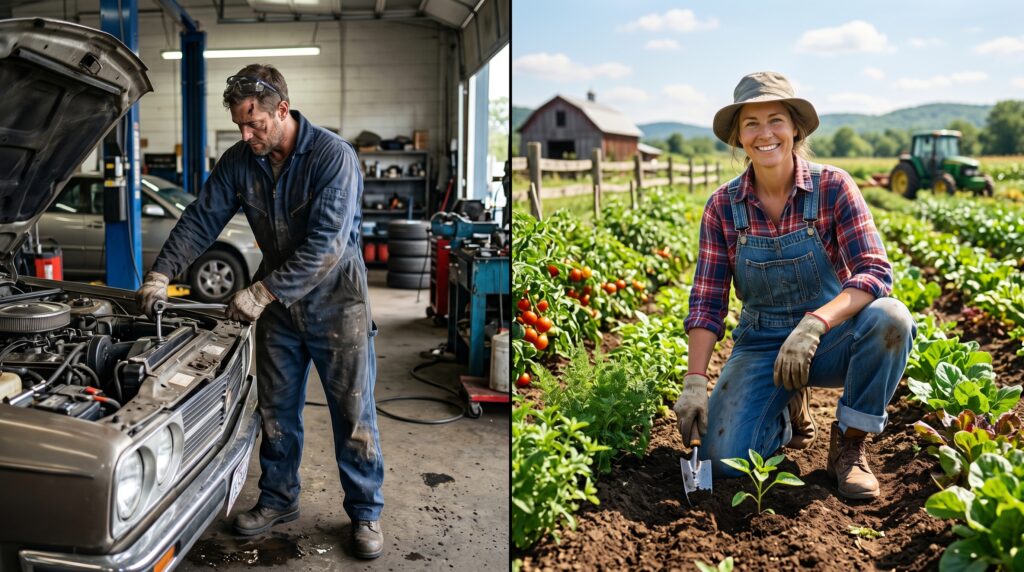
Coveralls or Overalls: Complete Guide to Understanding the Difference
Choosing the right workwear can be confusing when comparing coveralls or overalls. Both are popular clothing options used for work, protection, and practical purposes, but they are designed for different needs.
Many people think coveralls and overalls are the same because both are associated with workers, mechanics, farmers, and outdoor activities. However, their design, coverage, and level of protection are different.
Although they look similar, they serve completely different purposes.
This guide explains the difference between coveralls or overalls, including their uses, features, advantages, and how to choose the right option.
Quick Answer : Coveralls or Overalls
Coveralls are one piece garments that cover the full body including arms and legs.
Overalls are usually bib style garments that cover the legs and chest but leave the arms free.
Choose coveralls for full protection. Choose overalls for flexibility and comfort.
What Are Coveralls?
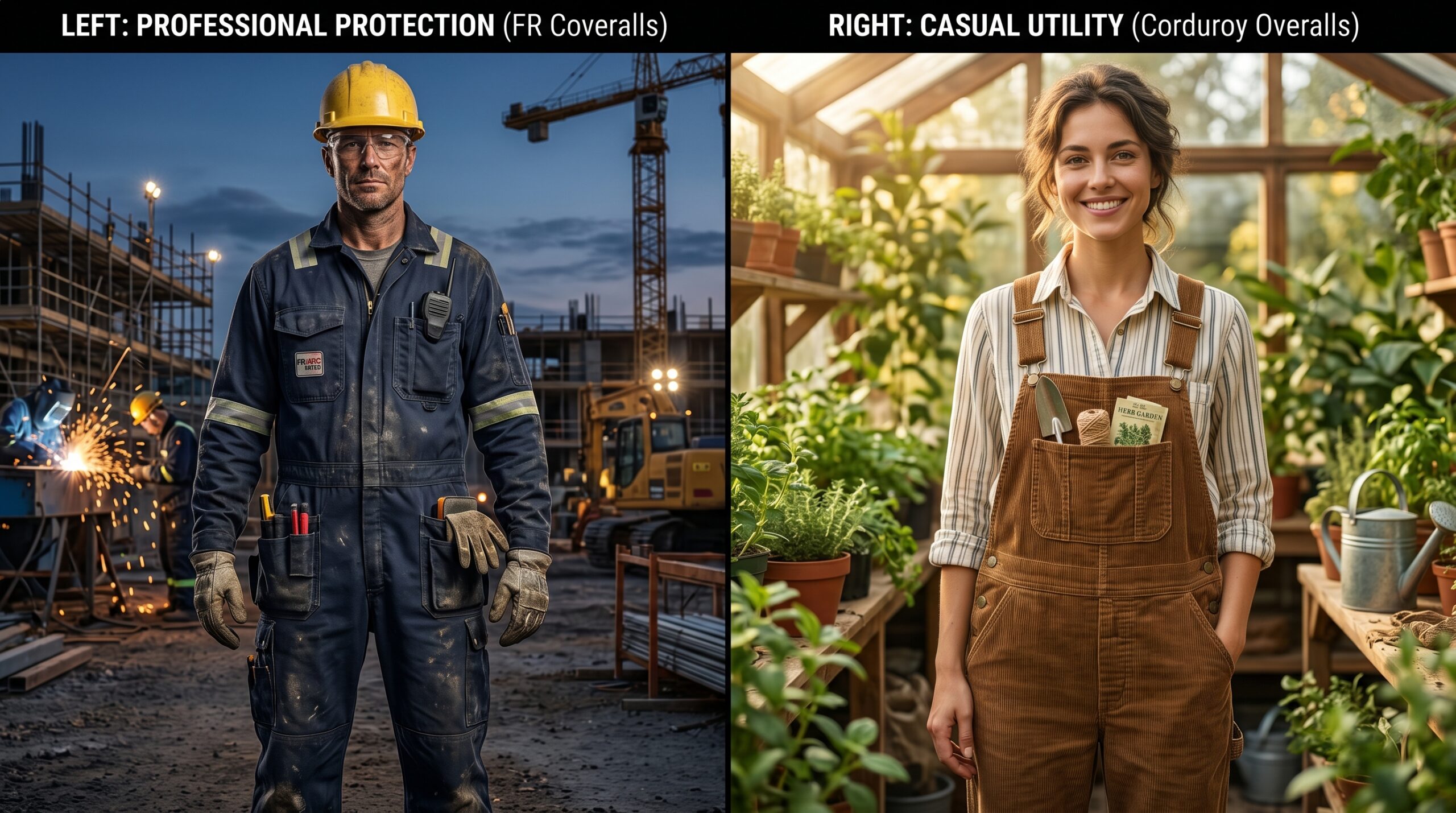
Coveralls are full body garments designed to cover the torso, arms, and legs in one piece.
Key Features
- Full body coverage
- Long sleeves and full legs
- Zipper or button front closure
- High protection from dirt, chemicals, or grease
- Used in industrial environments
Best For
- Mechanics
- Factory workers
- Chemical handling
- Painting and cleaning work
- Cold or hazardous environments
Key Insight
Coveralls prioritize maximum protection and safety.
What Are Overalls?
Overalls are two piece style garments with pants attached to a bib that covers the chest and is held up by straps.
Key Features
- Sleeveless design
- Adjustable shoulder straps
- Easier movement
- Breathable compared to coveralls
- Often used in casual or light work
Best For
- Farming and gardening
- Construction work
- Outdoor labor
- Casual fashion wear
- Light mechanical work
Key Insight
Overalls prioritize comfort and mobility.
Coveralls vs Overalls: Key Differences
Main Differences
- Coveralls are one piece, overalls are bib style
- Coveralls cover arms, overalls leave arms free
- Coveralls offer full protection
- Overalls allow more airflow and movement
- Coveralls are used in heavy duty work
- Overalls are used in lighter or flexible tasks
- Coveralls are more enclosed and protective
Comparison Table of Coveralls or Overalls
| Feature | Coveralls | Overalls |
|---|---|---|
| Design | One piece suit | Bib and pants |
| Coverage | Full body | Legs and chest |
| Arms Covered | Yes | No |
| Protection Level | High | Moderate |
| Comfort | Warm, enclosed | Breathable |
| Mobility | Moderate | High |
| Best For | Industrial work | Farming, casual work |
| Weather Use | Cold or harsh conditions | Mild conditions |
Real World Usage Scenarios
Scenario 1
Worker: “I work with oil and grease.”
Advisor: “Coveralls are better.”
🎯 Lesson: Full protection is needed for messy environments.
Scenario 2
Farmer: “I need something comfortable for long hours outside.”
Advisor: “Overalls are a good fit.”
🎯 Lesson: Comfort matters for outdoor work.
Scenario 3
Factory worker: “I want to avoid getting chemicals on my clothes.”
Advisor: “Use coveralls for safety.”
🎯 Lesson: Safety requires full coverage.
Scenario 4
Gardener: “I need flexibility while working.”
Advisor: “Overalls allow easier movement.”
🎯 Lesson: Mobility improves performance in light labor.
Scenario 5
Painter: “I want to protect my clothes completely.”
Advisor: “Coveralls are ideal.”
🎯 Lesson: Enclosed design prevents stains.
Common Mistakes
Mistake 1: Thinking They Are the Same
Why it happens:
Both are workwear.
Correction:
They differ in coverage and structure.
Mistake 2: Using Overalls for Hazardous Work
Why it happens:
They look durable.
Correction:
Overalls do not fully protect arms.
Mistake 3: Choosing Coveralls in Hot Weather
Why it happens:
Focus on protection.
Correction:
Coveralls can be too warm in heat.
Mistake 4: Ignoring Mobility Needs
Why it happens:
Only considering protection.
Correction:
Overalls offer better movement.
Memory Tricks
Remember Coveralls
Coveralls = Covers All
Think full body protection.
Remember Overalls
Overalls = Over the legs and chest
Think partial coverage with freedom.
Expert Insight
The difference between coveralls or overalls comes from their original purpose.
Coveralls were developed as protective work garments for industries where workers needed more coverage.
Overalls were created as durable clothing that allowed workers to move freely while protecting their everyday clothes.
Both are useful, but the right choice depends on the type of work, environment, and level of protection needed.
Why Understanding the Difference Matters
Understanding coveralls or overalls helps you choose workwear that matches your needs. Selecting the wrong option can affect comfort, protection, and productivity.
Knowing the difference makes it easier to choose the right clothing for work, outdoor activities, or personal style.
Conclusion
When comparing coveralls or overalls, the best choice depends on your work needs.
- Choose coveralls if you need full body protection, safety, and industrial use
- Choose overalls if you want comfort, mobility, and lighter work conditions
- Coveralls are more protective, while overalls are more flexible
If your priority is safety and cleanliness, go with coveralls. If your priority is comfort and movement, overalls are the better choice.
