
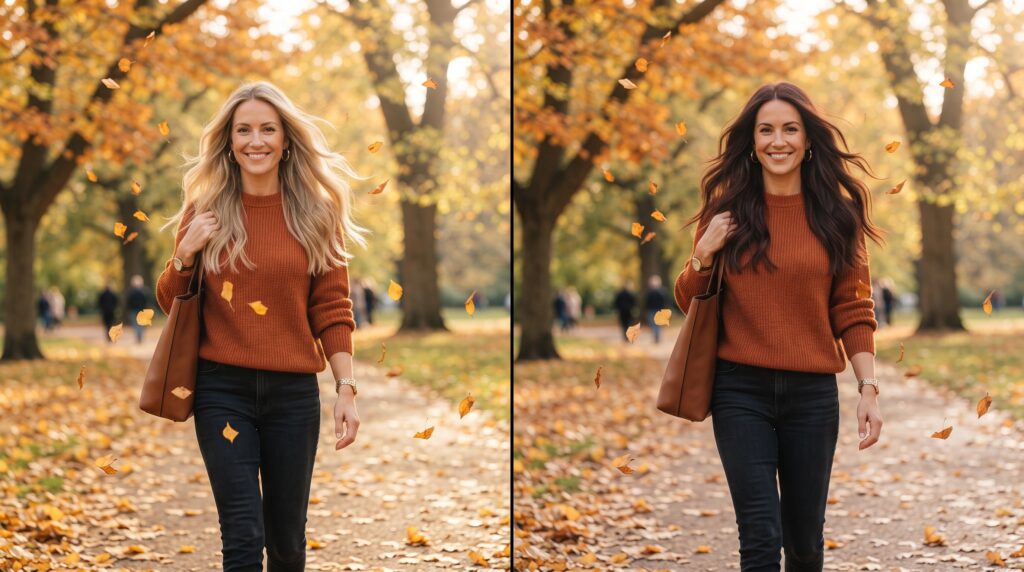
blond or brunette

Blond or Brunette: 9 Amazing Differences You Need to Know

Blond or brunette is one of the most common comparisons people make when choosing a new hair color. Both are among the world’s most popular natural and dyed hair colors, offering distinct looks that can completely transform a person’s appearance. Whether you’re considering a subtle change or a dramatic makeover, deciding between blond and brunette is often the first step toward finding a style that matches your personality and preferences.

Many people compare these hair colors because each creates a different visual effect. Blond hair is often associated with a brighter, lighter appearance that can make facial features stand out, while brunette hair is known for its rich depth, natural elegance, and timeless appeal. Understanding the differences between the two can help you choose a color that complements your overall look and meets your styling goals.

The best choice is not simply about following trends. It depends on several personal factors, including your skin tone, eye color, natural hair color, maintenance preferences, personal style, and lifestyle. For example, some hair colors require more frequent salon visits and specialized care, while others are easier to maintain over time. By considering these factors, you can select a hair color that not only enhances your appearance but also fits your daily routine and long term expectations.

In this guide, we’ll compare blond vs brunette by exploring their characteristics, maintenance requirements, advantages, disadvantages, and ideal candidates, helping you confidently choose the hair color that best suits your unique style.

Quick Answer 

Blond or brunette? Neither hair color is universally better because each offers its own unique advantages. The best choice depends on factors such as your skin tone, eye color, natural hair color, maintenance routine, budget, and personal style.

Blond hair is often chosen for its bright, youthful, and eye catching appearance. It reflects light well, can make facial features appear softer, and is available in many shades, including platinum, ash, golden, honey, and strawberry blond. However, blond hair usually requires more upkeep, including regular root touch ups, toning treatments, deep conditioning, and color safe products to maintain its brightness and prevent brassiness.

Brunette hair is generally lower maintenance and is known for its rich, natural, and timeless look. Root growth is often less noticeable, and darker shades typically require fewer salon visits. Brunette hair also offers excellent depth, shine, and versatility, making it a popular choice for people who want an elegant appearance with less ongoing maintenance.

Ultimately, the right hair color depends on your individual preferences and practical needs. Choosing a shade that complements your lifestyle and appearance will help you enjoy beautiful, healthy looking hair for longer.
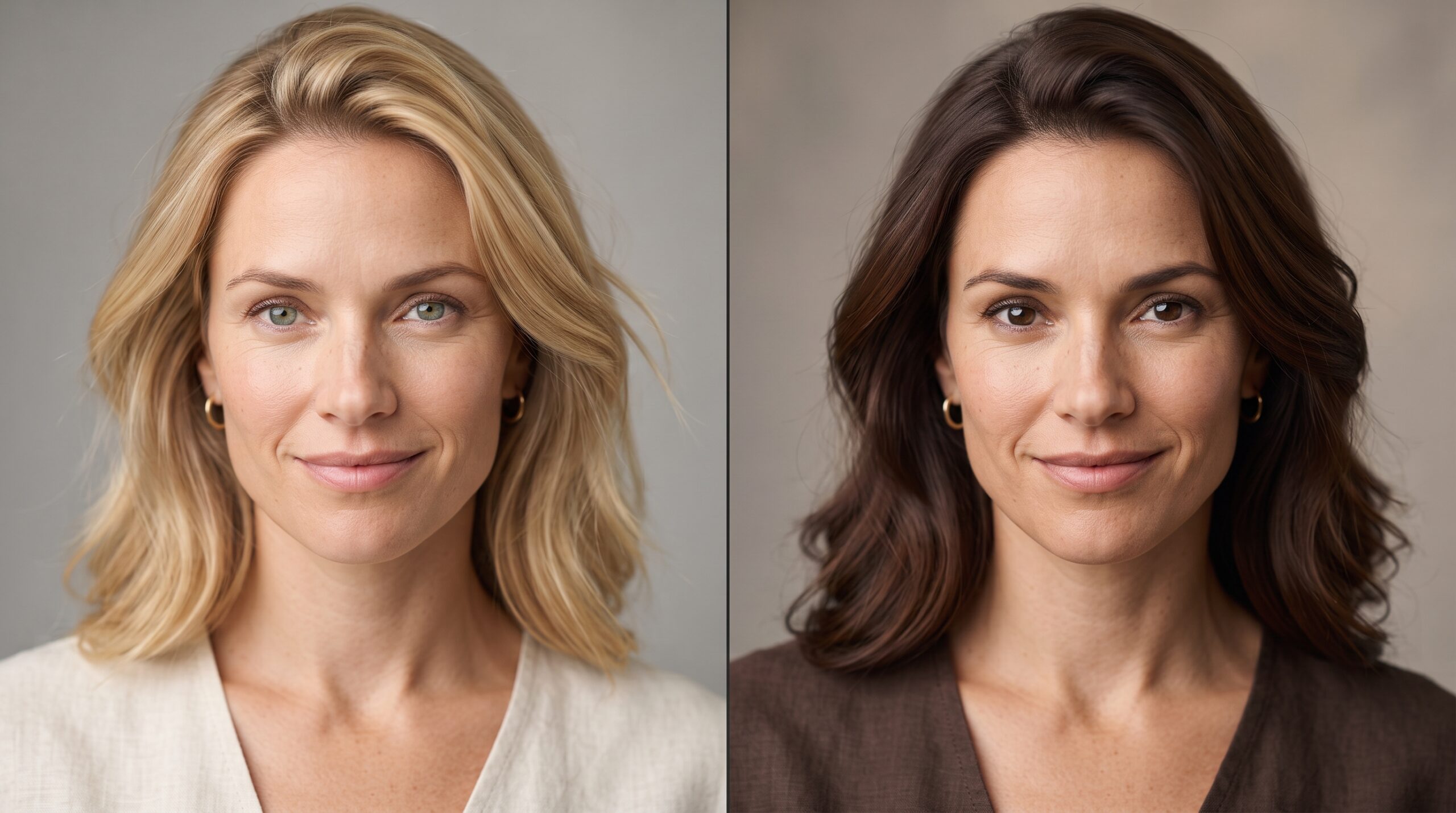
blond or brunette


What Is Blond Hair?

Blond hair is a hair color characterized by low levels of dark pigment, resulting in shades that range from very light platinum to warm golden blond. It occurs naturally in some populations and is also one of the most requested hair colors in professional salons worldwide.

Because of its bright and vibrant appearance, blond hair is often associated with freshness, confidence, and versatility. It remains a popular choice for people who want to create a lighter or more dramatic look.

Natural Characteristics

Natural blond hair typically has:

  • Lower concentrations of melanin.

  • Fine to medium hair texture in many individuals.

  • A tendency to reflect more light than darker hair colors.

  • Natural variation from cool ash tones to warm golden shades.

Although naturally blond hair is less common globally than darker hair colors, modern coloring techniques allow almost anyone to achieve a blond look.

Common Shades of Blond

Blond hair is available in a wide variety of shades, including:

  • Platinum blond

  • Ash blond

  • Golden blond

  • Honey blond

  • Beige blond

  • Champagne blond

  • Strawberry blond

  • Dirty blond

Each shade creates a different effect and complements different skin tones and eye colors.

Who Typically Chooses Blond Hair?

Blond hair is often selected by people who want to:

  • Brighten their overall appearance.

  • Create a youthful or modern look.

  • Experiment with fashion forward hairstyles.

  • Highlight facial features.

  • Achieve a lighter color for seasonal style changes.

Professional colorists usually recommend selecting a blond shade that matches your skin undertone for the most natural result.

Benefits of Blond Hair

Some of the biggest advantages of blond hair include:

  • Creates a bright and radiant appearance.

  • Offers numerous shade options.

  • Enhances highlights and texture.

  • Makes hairstyles appear more dimensional.

  • Works well with many modern coloring techniques such as balayage and highlights.


What Is Brunette Hair?

Brunette hair refers to hair that falls within the brown color family, ranging from light brown to very dark brown. It is one of the most common natural hair colors worldwide and is valued for its rich depth, versatility, and timeless appeal.

Whether naturally brunette or professionally colored, this hair color remains popular because it complements many skin tones, eye colors, and personal styles while requiring relatively little maintenance.

Natural Characteristics

Brunette hair generally features:

  • Higher levels of melanin than blond hair.

  • Rich depth and natural shine.

  • Excellent color longevity.

  • Less visible root growth after coloring.

  • A wide range of warm and cool tones.

These characteristics contribute to its reputation as a practical and elegant hair color.

Common Brunette Shades

Popular brunette shades include:

  • Light brown

  • Medium brown

  • Chocolate brown

  • Chestnut brown

  • Espresso brown

  • Dark brown

  • Mocha brown

  • Caramel brown

Each shade provides a unique appearance and can be customized to suit different complexions.

Why Brunette Remains Popular

Brunette continues to be a favorite because it combines beauty with practicality. It provides a sophisticated appearance, requires less frequent maintenance than lighter colors, and suits both classic and contemporary hairstyles.

Many people also choose brunette because it offers a natural look while enhancing hair’s visual depth and shine.

Benefits of Brunette Hair

Brunette hair offers several advantages, including:

  • Lower maintenance requirements.

  • Rich and natural appearance.

  • Less noticeable root growth.

  • Wide variety of attractive shades.

  • Healthy looking shine and depth.

  • Suitable for many skin tones and eye colors.

Blond vs Brunette: Key Differences

Choosing between blond or brunette involves more than deciding which color looks better. Both hair colors have unique characteristics that affect appearance, maintenance, styling, and long term care. Understanding these differences can help you select a hair color that complements your features and fits your lifestyle.

Blond vs Brunette Comparison Table

FeatureBlondBrunette
DefinitionHair with low levels of dark pigment, resulting in light shades ranging from platinum to golden blond.Hair in the brown color family, ranging from light brown to deep dark brown.
Natural OccurrenceNaturally less common worldwide.One of the most common natural hair colors globally.
Popular ShadesPlatinum, ash, honey, golden, champagne, beige, strawberry, dirty blond.Light brown, chestnut, chocolate, caramel, mocha, espresso, dark brown.
AppearanceBright, fresh, youthful, and eye catching.Rich, elegant, natural, and timeless.
MaintenanceUsually requires frequent touch ups, toning, and specialized hair care.Generally lower maintenance with fewer salon visits.
Root VisibilityNew root growth is usually more noticeable, especially on naturally dark hair.Root growth is often less visible, making maintenance easier.
Damage Risk During ColoringHigher risk because lightening often involves bleaching.Lower risk when coloring darker shades, although results vary depending on the process.
Skin Tone CompatibilityAvailable in warm and cool shades that can suit many complexions when chosen correctly.Complements a wide variety of skin tones with both warm and cool brown shades.
Eye Color CompatibilityLooks striking with blue, green, hazel, and light brown eyes.Pairs well with brown, hazel, green, blue, and dark eyes.
Styling VersatilityHighlights, balayage, ombré, and textured styles are especially noticeable.Provides depth, shine, and contrast for both classic and modern hairstyles.
Cost of MaintenanceTypically higher because of salon visits, toners, and color care products.Usually lower because it requires fewer touch ups and less intensive maintenance.
Best Suited ForPeople who want a bright, fashionable look and are comfortable with regular upkeep.People seeking a natural, sophisticated appearance with easier long term maintenance.

Which Hair Color Is Right for You?

Both blond and brunette offer beautiful results when matched to your natural features and lifestyle. Blond hair can create a lighter, more vibrant appearance, while brunette hair provides rich depth and effortless elegance.

Instead of choosing based solely on trends, consider your natural hair color, skin undertone, eye color, maintenance routine, budget, and styling preferences. Selecting a hair color that fits your daily routine and personal style will help you enjoy long lasting, healthy looking results.

Appearance Comparison

When deciding between blond or brunette, appearance is often the biggest factor. While both hair colors can look stunning, they create different visual effects depending on their shade, your natural features, and the lighting.

Brightness and Depth

Blond hair naturally reflects more light, giving it a bright, fresh, and youthful appearance. Lighter shades can make hair appear fuller and add dimension, especially when paired with highlights or balayage.

Brunette hair is known for its rich depth and glossy finish. Darker shades create contrast, making hair look thicker and adding a sophisticated, elegant touch.

Warm Versus Cool Tones

Both blond and brunette are available in warm and cool tones, allowing you to choose a shade that complements your complexion.

Warm blond shades include:

  • Golden blond

  • Honey blond

  • Strawberry blond

Cool blond shades include:

  • Platinum blond

  • Ash blond

  • Beige blond

Warm brunette shades include:

  • Chestnut brown

  • Caramel brown

  • Golden brown

Cool brunette shades include:

  • Espresso brown

  • Ash brown

  • Dark mocha

Choosing the right undertone helps create a balanced and natural looking result.

Natural Versus Dramatic Looks

Blond hair often creates a brighter and more noticeable transformation, particularly for individuals with naturally dark hair. It is popular among those who want a bold, fashionable appearance.

Brunette hair generally offers a more natural and timeless look. It enhances facial features without creating as dramatic a contrast, making it suitable for both casual and professional settings.

Seasonal Trends

Hair color preferences often change with the seasons.

Many people choose lighter blond shades during spring and summer because they complement brighter weather and sun kissed styles.

Brunette shades tend to become more popular during autumn and winter, when richer and deeper colors match seasonal fashion trends.

Of course, personal preference matters more than seasonal trends, and both colors remain stylish throughout the year.

How Lighting Affects Each Color

Lighting can significantly change how hair color appears.

Blond hair reflects natural and artificial light, making it appear brighter and more vibrant in sunny conditions.

Brunette hair absorbs more light, creating greater depth and shine. In direct sunlight, subtle brown tones and natural highlights often become more visible, giving the hair added richness and dimension.


Maintenance Requirements

Before choosing blond or brunette, it’s important to understand the level of maintenance each color requires.

Salon Visits

Blond hair usually requires more frequent salon appointments, especially if bleaching or highlights are involved. Many people schedule visits every six to eight weeks to refresh color and maintain brightness.

Brunette hair generally requires fewer appointments because darker shades fade more gradually and root growth is often less noticeable.

Root Touch Ups

Root maintenance depends on your natural hair color.

Blond hair typically shows darker roots sooner, making regular touch ups more important.

Brunette hair usually blends more naturally with regrowth, allowing longer periods between coloring sessions.

Purple Shampoo for Blond Hair

Many people with blond hair use purple shampoo to reduce unwanted yellow or brassy tones.

Using this product as recommended helps maintain cooler blond shades and keeps the color looking fresh between salon visits.

Brunette hair usually does not require purple shampoo, although color enhancing shampoos are available for maintaining rich brown tones.

Color Safe Products

Whether you choose blond or brunette, using color safe shampoos and conditioners helps extend color life and reduce fading.

Look for products designed specifically for color treated hair to protect shine and maintain healthy strands.

Long Term Care

Healthy hair requires consistent care regardless of color.

Long term maintenance includes:

  • Deep conditioning treatments.

  • Heat protection before styling.

  • Regular trims.

  • Gentle cleansing.

  • Hydration to reduce dryness.

These habits help preserve both the color and the overall condition of your hair.

Preventing Fading

To keep your hair color looking vibrant:

  • Limit excessive sun exposure.

  • Wash hair with lukewarm rather than hot water.

  • Use sulfate free, color safe products.

  • Minimize heat styling when possible.

  • Schedule professional gloss or toner treatments if needed.

Proper care helps both blond and brunette hair maintain their shine and richness for longer.


Which Hair Color Suits Different Skin Tones?

Your skin tone and undertone play an important role in determining which hair color will look most flattering.

Fair Skin

People with fair skin often suit:

  • Platinum blond

  • Ash blond

  • Light beige blond

  • Soft light brown

  • Cool chocolate brown

These shades create a balanced and natural appearance without overwhelming lighter complexions.

Medium Skin

Medium skin tones are versatile and pair well with:

  • Honey blond

  • Golden blond

  • Caramel brown

  • Chestnut brown

  • Medium chocolate brown

Both blond and brunette shades can work beautifully when matched to your undertone.

Olive Skin

Olive complexions often look best with rich, warm colors such as:

  • Golden blond

  • Dark honey blond

  • Caramel brown

  • Mocha brown

  • Espresso brown

These shades enhance the skin’s natural warmth while creating attractive contrast.

Deep Skin

Deep skin tones pair beautifully with:

  • Warm golden blond

  • Honey blond highlights

  • Rich chocolate brown

  • Dark espresso brown

  • Deep chestnut brown

These colors provide depth while complementing darker complexions.

Neutral Undertones

People with neutral undertones usually have the greatest flexibility.

Both warm and cool shades of blond and brunette can look flattering, allowing for greater personalization.

Warm Undertones

Warm undertones typically pair well with:

  • Golden blond

  • Honey blond

  • Caramel brown

  • Chestnut brown

Warm shades enhance the skin’s natural glow.

Cool Undertones

Cool undertones generally suit:

  • Ash blond

  • Platinum blond

  • Ash brown

  • Espresso brown

These shades create a balanced and harmonious appearance.


Lifestyle Considerations

Your daily routine should be just as important as your appearance when choosing between blond and brunette hair.

Time Available for Maintenance

If you have limited time for salon appointments and regular color maintenance, brunette hair is often the more practical choice.

Those willing to spend additional time maintaining their hair may enjoy the versatility of blond shades.

Budget

Blond hair often costs more to maintain because of bleaching, toners, touch ups, and specialized hair care products.

Brunette hair generally requires fewer salon visits and lower long term maintenance costs.

Professional Appearance

Both hair colors can look professional when well maintained.

Brunette hair is often associated with a classic and polished appearance, while blond hair can range from natural and subtle to bold and fashion forward depending on the chosen shade.

Fashion Preferences

If you enjoy experimenting with trends, highlights, balayage, or dramatic color transformations, blond offers many creative styling opportunities.

If you prefer a timeless, elegant look that rarely goes out of style, brunette remains an excellent choice.

Outdoor Lifestyle

People who spend significant time outdoors should remember that sunlight, chlorine, and environmental exposure can gradually fade any hair color.

Using UV protecting hair products, wearing hats during prolonged sun exposure, and following a consistent hair care routine can help preserve both blond and brunette shades.

Pros and Cons

When comparing blond or brunette, it’s important to consider the advantages and disadvantages of each hair color. While both can look beautiful, the right choice depends on your lifestyle, maintenance preferences, and desired appearance.

Blond

Pros

Choosing blond hair offers several benefits, especially for people who want a brighter and more eye catching look.

  • Brightens the overall appearance and reflects more light.

  • Available in a large variety of shades, including platinum, ash, honey, golden, and strawberry blond.

  • Can create a youthful, fresh, and vibrant look.

  • Highlights facial features and adds dimension to hairstyles.

  • Remains one of the most popular fashion and salon hair color choices.

Cons

Blond hair also requires additional care and maintenance.

  • Higher maintenance than most brunette shades.

  • Requires more frequent salon appointments for touch ups and toning.

  • Greater risk of dryness or damage because lightening often involves bleaching.

  • Dark roots usually become noticeable more quickly, especially on naturally brunette or black hair.


Brunette

Pros

Brunette hair is a popular choice for people who prefer a timeless look with less maintenance.

  • Lower maintenance compared with blond hair.

  • Rich, natural, and elegant appearance.

  • Root growth is generally less visible between salon visits.

  • Often causes less damage during coloring because extensive bleaching is usually unnecessary.

  • Offers a wide range of beautiful natural shades, from light brown to deep espresso.

Cons

Although brunette hair is easier to maintain, it also has a few limitations.

  • Achieving dramatic color changes often requires bleaching first.

  • Some dark shades may gradually fade with frequent washing or sun exposure.

  • Certain brunette shades benefit from occasional gloss treatments to maintain shine and color richness.


Common Mistakes When Choosing a Hair Color

Selecting the right hair color involves more than choosing the shade you like most. Avoiding these common mistakes can help you achieve better results and maintain healthier hair.

Choosing Only Based on Trends

Hair color trends change every year, but the most fashionable shade may not be the most flattering for your natural features. Instead of following trends alone, choose a color that complements your complexion, eye color, and personal style.

Ignoring Skin Undertones

One of the most common mistakes is selecting a hair color without considering your skin undertone.

Warm undertones generally pair well with golden blond and warm brunette shades, while cool undertones often look best with ash blond or cool brown colors. Matching your undertone creates a more balanced and natural appearance.

Underestimating Maintenance Requirements

Many people choose blond hair without realizing the commitment involved. Frequent salon appointments, root touch ups, toning treatments, and specialized hair care products may be necessary to keep the color looking its best.

Before making a decision, consider how much time and money you’re willing to invest in ongoing maintenance.

Skipping Professional Color Consultations

A professional hairstylist can recommend shades that suit your skin tone, natural hair color, and hair condition. Consulting an experienced colorist reduces the risk of uneven results and unnecessary damage.

Using Products That Strip Color

Harsh shampoos containing strong detergents can cause both blond and brunette hair to fade more quickly.

Using sulfate free, color safe shampoos and conditioners helps preserve color, maintain shine, and keep hair healthier for longer.

Expecting Identical Results on Every Hair Type

Hair color results vary depending on natural hair color, previous chemical treatments, hair texture, and overall hair health. The same shade may look different from person to person.

Setting realistic expectations and following professional advice can help you achieve the most satisfying outcome.

FAQs

Is blond or brunette easier to maintain?

Brunette hair is generally easier to maintain than blond hair. Darker shades usually require fewer salon visits, root touch ups are less noticeable, and the color tends to fade more gradually. Blond hair often needs regular toning, deep conditioning, and specialized products to keep it looking fresh and vibrant.


Which hair color looks more natural?

Both blond and brunette can look natural when the shade complements your skin tone, eye color, and natural hair color. Brunette is the most common natural hair color worldwide, while blond can also appear very natural when the right tone is chosen.


Does blond hair require more salon visits?

Yes. In most cases, blond hair requires more frequent salon appointments than brunette hair. Maintaining blond shades often involves root touch ups, toner applications, and conditioning treatments to prevent brassiness and keep the hair healthy.


Which hair color suits warm skin tones?

People with warm skin tones usually look best with warm shades such as golden blond, honey blond, caramel brown, chestnut brown, and warm chocolate brown. Choosing a shade that matches your undertone creates a more balanced and flattering appearance.


Can I switch from brunette to blond safely?

Yes, but the process should ideally be performed by a professional hairstylist. Lightening dark hair often requires bleaching, which can cause damage if not done correctly. A gradual transition combined with proper conditioning treatments helps maintain healthier hair.


Which color fades faster?

Blond hair generally fades faster because lightened hair is more vulnerable to environmental factors, heat styling, and frequent washing. Brunette shades usually retain their richness longer, although all color treated hair benefits from color safe products and regular maintenance.


Is brunette better for damaged hair?

For many people, yes. Achieving brunette shades often requires less chemical processing than lightening hair to blond, making it a gentler option for already damaged or fragile hair. However, the health of your hair also depends on proper care, regular conditioning, and professional coloring techniques.


Conclusion 

When comparing blond or brunette, both hair colors offer unique advantages and can completely transform your appearance. Blond hair stands out for its bright, youthful look, wide variety of shades, and ability to create eye catching styles. Brunette hair is valued for its rich depth, timeless elegance, natural appearance, and lower maintenance requirements.

If you want a lighter, more vibrant hair color and don’t mind spending extra time on salon visits and ongoing care, blond may be the ideal choice. Its versatility and brightness make it a favorite for people seeking a bold, fashionable transformation.

If you prefer a classic, sophisticated look with easier upkeep and fewer maintenance appointments, brunette is an excellent option. Its wide range of natural shades, glossy finish, and practical maintenance routine make it suitable for many lifestyles.

Ultimately, there is no single winner in the blond or brunette comparison. The best hair color depends on your skin tone, eye color, lifestyle, budget, maintenance preferences, and personal style. By considering these factors carefully, you can choose a shade that enhances your natural features, fits your daily routine, and gives you confidence in your new look.

Scroll to Top