

bonjour or bonsoir

Bonjour or Bonsoir: 7 Essential French Greeting Rules You Must Know

Bonjour or Bonsoir: 7 Essential French Greeting Rules You Must Know

Bonjour or bonsoir is one of the most common questions for people learning French or traveling to French speaking countries. Although both words are greetings, they are used at different times of the day and in different social situations.

Using the correct greeting shows politeness, improves communication, and helps you make a positive first impression. Whether you’re visiting France, Canada, Belgium, Switzerland, or another French speaking region, understanding the difference between bonjour and bonsoir is an important part of everyday conversation.

This guide compares bonjour vs bonsoir, including meanings, pronunciation, usage, examples, common mistakes, and practical tips for speaking French with confidence.


Quick Answer: Bonjour or Bonsoir?

Use “bonjour” to greet someone during the daytime, usually from morning until the late afternoon. Use “bonsoir” to greet someone in the evening.

In simple terms:

  • Bonjour = Good day / Hello
  • Bonsoir = Good evening

The exact transition time depends on local customs and the amount of daylight, but many speakers begin using bonsoir in the early evening.
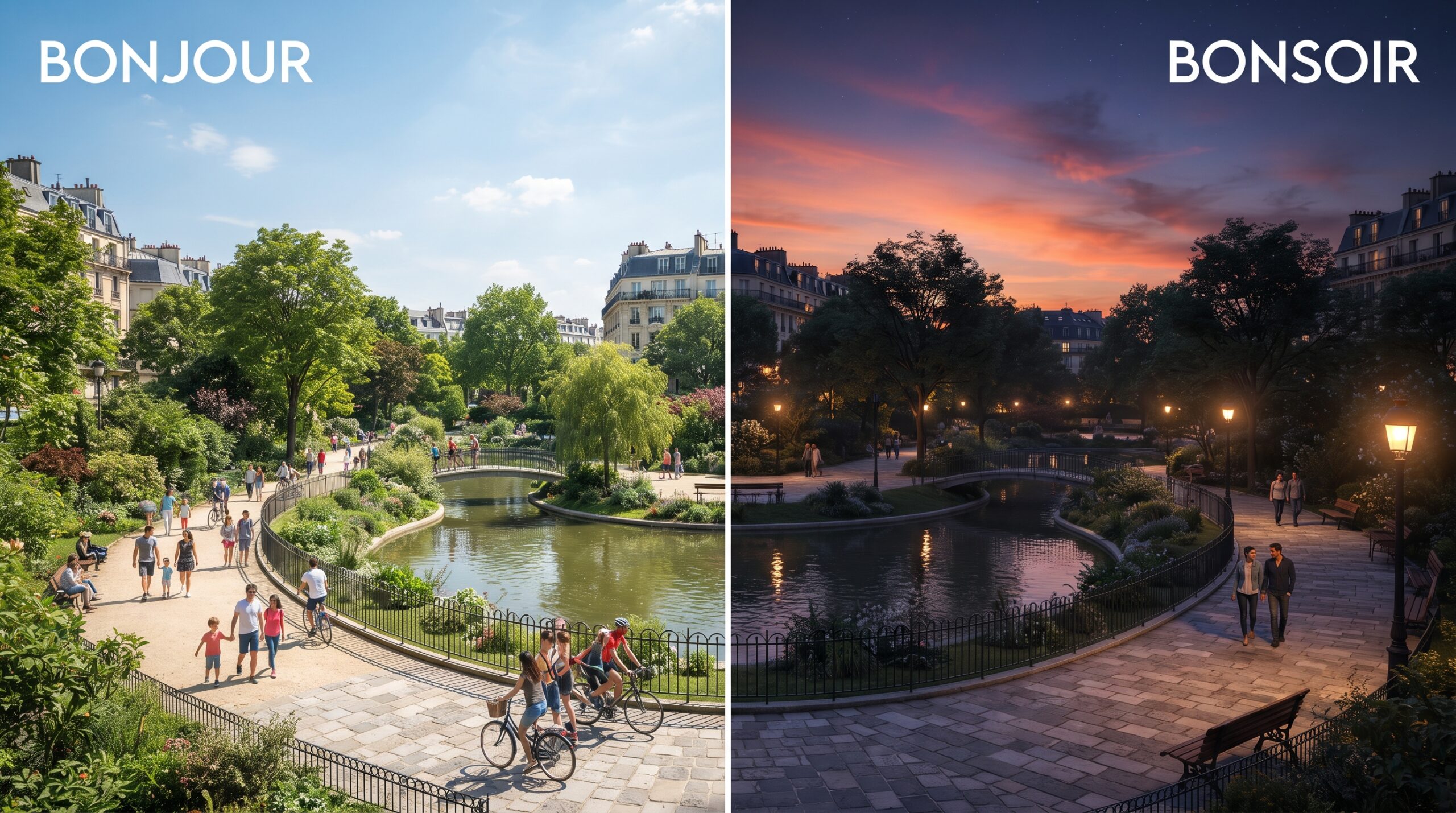
bonjour or bonsoir


What Does Bonjour Mean?

Bonjour is the standard French greeting used during the day. It literally combines the French words for good and day.

It is appropriate in both formal and informal situations.

When to Use Bonjour

Use bonjour when:

  • Meeting someone in the morning
  • Greeting coworkers
  • Entering a shop
  • Starting a conversation
  • Speaking to teachers, neighbors, or strangers during the day

Examples

  • Bonjour, comment allez vous? (Hello, how are you?)
  • Bonjour, madame.
  • Bonjour, monsieur.

Key insight: In many French speaking cultures, saying bonjour before asking a question or requesting help is considered polite.


What Does Bonsoir Mean?

Bonsoir means good evening and is used when greeting people later in the day.

Unlike bonjour, it signals that the evening has begun.

When to Use Bonsoir

Use bonsoir when:

  • Arriving for dinner
  • Greeting people during the evening
  • Entering a restaurant at night
  • Attending evening events
  • Beginning conversations after the daytime hours

Examples

  • Bonsoir, monsieur.
  • Bonsoir à tous. (Good evening, everyone.)
  • Bonsoir, comment allez vous?

Key insight: Bonsoir is a greeting, not simply a way to say goodbye.


Bonjour vs Bonsoir: Key Differences

Feature Bonjour Bonsoir
Meaning Good day / Hello Good evening
Time Used Morning to late afternoon Evening
Formal Yes Yes
Informal Yes Yes
Used in Shops Yes Yes
Used at Evening Events No Yes

Pronunciation Guide

Bonjour

Approximate pronunciation:

bohn zhoor

The j produces a soft sound similar to the “s” in measure.


Bonsoir

Approximate pronunciation:

bohn swahr

The soir ending sounds similar to “swahr.”

Listening to native speakers can help improve pronunciation and confidence.


Common Situations

Entering a Bakery at 10:00 a.m.

Say:

Bonjour!

🎯 Lesson: Daytime greeting.


Arriving at a Restaurant at 7:30 p.m.

Say:

Bonsoir!

🎯 Lesson: Evening greeting.


Meeting a Friend at Noon

Say:

Bonjour!

🎯 Lesson: Noon is still considered daytime.


Attending an Evening Concert

Say:

Bonsoir!

🎯 Lesson: Evening social events call for bonsoir.


Common Mistakes

Mistake 1: Using Bonjour Late at Night

Why it happens:

Learners often memorize only one greeting.

Correction:

Switch to bonsoir during the evening.


Mistake 2: Thinking Bonsoir Means Goodbye

Why it happens:

English learners associate “good evening” with departures.

Correction:

Bonsoir is primarily a greeting used when meeting someone in the evening.


Mistake 3: Forgetting to Greet Before Asking a Question

Why it happens:

Some languages begin directly with the request.

Correction:

In French, greeting someone with bonjour or bonsoir first is considered courteous.


Memory Trick: Bonjour vs Bonsoir

Remember:

Bonjour = Bright Day

Bonsoir = Sunset Evening

This simple phrase helps you choose the correct greeting.


Expert Insight : Bonjour or Bonsoir

French greetings are more than simple words. They reflect respect, politeness, and cultural awareness. Native speakers often expect a greeting before any conversation, especially in shops, hotels, restaurants, or professional settings.

While the exact time people switch from bonjour to bonsoir may vary slightly by region and season, using bonjour during the day and bonsoir in the evening is the accepted standard across the French speaking world.


Frequently Asked Questions

When should I stop saying bonjour?

Most people begin using bonsoir in the early evening, though the exact time can vary depending on local customs and daylight.

Can I use bonjour all day?

While some people may continue using bonjour into the late afternoon, bonsoir is the more appropriate greeting once the evening begins.

Is bonsoir formal?

Yes. Like bonjour, bonsoir is suitable for both formal and informal conversations.

Which greeting should tourists use?

Tourists should use bonjour during the day and bonsoir in the evening. Starting conversations with the appropriate greeting is widely appreciated


Conclusion : Bonjour or Bonsoir

The difference between bonjour or bonsoir is simple but important.

Use bonjour during the daytime to say hello or good day, and switch to bonsoir in the evening to say good evening.

Learning when to use each greeting will help you communicate more naturally, show respect for French speaking cultures, and make a positive impression whether you’re traveling, studying French, or speaking with native speakers.


Scroll to Top