
fiji or hawaii

Fiji or Hawaii: 9 Amazing Differences You Need to Know Before You Travel

Fiji or Hawaii is one of the most common comparisons travelers make when planning a tropical vacation. Both destinations are famous for their breathtaking beaches, crystal clear waters, warm climate, and unforgettable island experiences. Whether you’re dreaming of a relaxing honeymoon, a family getaway, or an adventure filled holiday, Fiji and Hawaii consistently rank among the world’s most popular tropical vacation destinations.

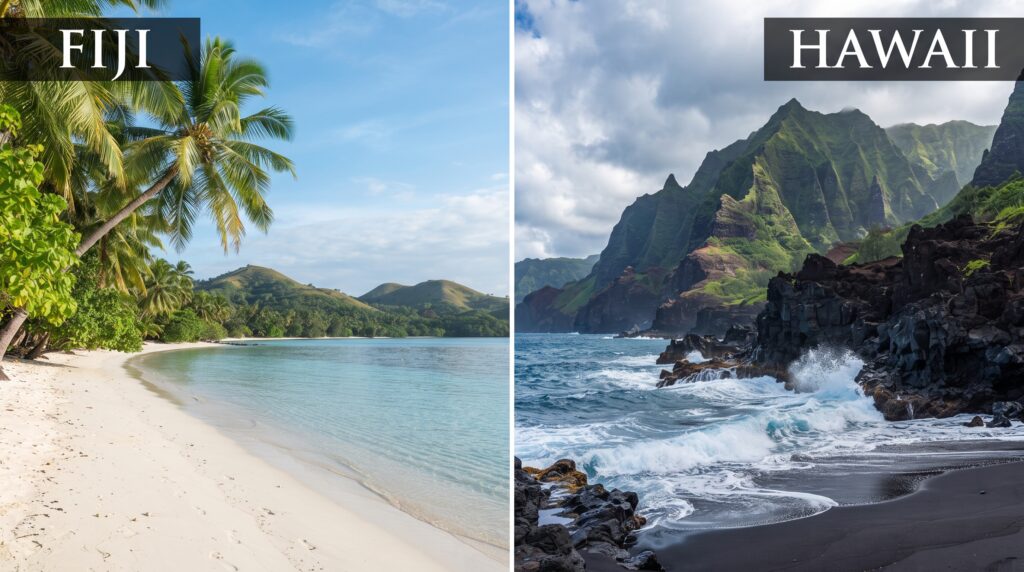
Many travelers compare Fiji and Hawaii because they share beautiful coastlines and year round appeal, yet they offer very different travel experiences. Fiji is known for its peaceful island atmosphere, luxurious private resorts, vibrant coral reefs, and welcoming local culture. Hawaii, on the other hand, offers a unique blend of tropical beaches, volcanic landscapes, lush rainforests, cultural attractions, and outdoor adventures, making it a favorite for visitors seeking both relaxation and exploration.

Choosing between these two island destinations depends on several important factors, including your budget, travel style, preferred activities, vacation length, and overall travel goals. Some travelers prioritize world class snorkeling and secluded beaches, while others prefer hiking, surfing, sightseeing, or experiencing local traditions. Understanding the differences between Fiji and Hawaii will help you select the destination that best matches your expectations and creates the vacation experience you’re looking for.

In this guide, we’ll compare Fiji vs Hawaii by exploring their beaches, attractions, weather, accommodations, activities, costs, and travel experiences, helping you confidently decide which tropical paradise is the better choice for your next trip.

Quick Answer 

Fiji or Hawaii? Neither destination is universally better because each offers a unique tropical vacation experience. The right choice depends on your budget, travel interests, vacation length, preferred activities, and the type of island getaway you want.

Fiji is ideal for travelers seeking secluded islands, luxury beachfront resorts, crystal clear lagoons, and a peaceful atmosphere. It is especially popular with honeymooners, couples, and visitors who want to relax, enjoy world class snorkeling or scuba diving, and experience the warm hospitality of the Fijian people.

Hawaii, on the other hand, offers greater variety in both landscapes and activities. Visitors can explore volcanic national parks, lush rainforests, dramatic waterfalls, scenic hiking trails, surfing beaches, and vibrant cities. Hawaii is also easier to reach for many international travelers, especially those coming from North America, thanks to its well developed transportation network and frequent flights.

Ultimately, the best destination depends on your budget, interests, travel time, and preferred vacation experience. If you want a quiet island escape with luxurious resorts and coral reefs, Fiji may be the perfect choice. If you prefer combining beaches with outdoor adventures, cultural attractions, and diverse scenery, Hawaii is likely the better fit.
fiji or hawaii


What Is Fiji?

Fiji is an island nation in the South Pacific Ocean, renowned for its turquoise waters, white sand beaches, colorful coral reefs, and welcoming culture. It is considered one of the world’s premier tropical destinations and attracts visitors looking for relaxation, adventure, and authentic island experiences.

Location in the South Pacific

Fiji is located in the South Pacific, northeast of New Zealand and east of Australia. Its remote location contributes to its peaceful atmosphere and unspoiled natural beauty, making it a favorite destination for honeymooners and luxury travelers.

Islands and Geography

Fiji consists of more than 330 islands, with about one third permanently inhabited. The two largest islands, Viti Levu and Vanua Levu, are home to most of the country’s population and major tourist facilities.

The islands feature:

  • White sand beaches

  • Coral reefs

  • Tropical rainforests

  • Mountain ranges

  • Rivers and waterfalls

  • Crystal clear lagoons

This diverse landscape provides opportunities for both relaxation and outdoor adventure.

Culture and Hospitality

Fiji is widely recognized for its friendly and welcoming people. Traditional Fijian hospitality is a defining part of the visitor experience, and guests are often greeted with genuine warmth.

The country’s culture reflects a blend of Indigenous Fijian traditions, Indian influences, and British colonial heritage. Visitors can enjoy traditional music, dance performances, local crafts, village visits, and the famous kava ceremony.

Popular Tourist Attractions

Some of Fiji’s most popular attractions include:

  • Mamanuca Islands

  • Yasawa Islands

  • Coral Coast

  • Denarau Island

  • Taveuni Island

  • Beqa Lagoon

  • Bouma National Heritage Park

  • Sabeto Hot Springs and Mud Pool

These destinations are known for their stunning scenery, luxury resorts, diving sites, and outdoor activities.


What Is Hawaii?

Hawaii is the only U.S. state located entirely in the Pacific Ocean. It is famous for its volcanic landscapes, tropical beaches, lush valleys, and rich Polynesian heritage. As one of the world’s most visited island destinations, Hawaii offers an excellent combination of relaxation, adventure, and cultural experiences.

Location in the Pacific Ocean

Hawaii is situated in the central Pacific Ocean, approximately 2,400 miles southwest of the mainland United States. Its convenient air connections and developed tourism infrastructure make it accessible to millions of visitors every year.

Major Islands

The Hawaiian archipelago includes more than 100 islands, but the eight major islands receive most visitors.

The most popular islands include:

  • Oahu

  • Maui

  • Hawaii (Big Island)

  • Kauai

  • Lanai

  • Molokai

Each island offers a unique mix of beaches, landscapes, activities, and attractions.

Culture and History

Hawaii has a rich cultural heritage rooted in Polynesian traditions. Native Hawaiian customs, language, music, dance, and storytelling continue to shape the islands’ identity today.

Visitors can experience traditional luaus, hula performances, historic landmarks, sacred sites, and museums that showcase Hawaii’s fascinating history and cultural diversity.

Popular Attractions

Some of Hawaii’s most famous attractions include:

  • Waikiki Beach

  • Hawaii Volcanoes National Park

  • Haleakala National Park

  • Pearl Harbor National Memorial

  • Na Pali Coast

  • Road to Hana

  • Diamond Head

  • Waimea Canyon

These attractions offer a wide variety of experiences, from relaxing beach days to hiking, sightseeing, surfing, and exploring volcanic landscapes.

Fiji vs Hawaii: Key Differences

Choosing between Fiji or Hawaii can be challenging because both destinations offer beautiful beaches, warm tropical weather, and unforgettable island experiences. However, they differ in location, accessibility, scenery, activities, travel costs, and overall vacation style. Understanding these differences will help you decide which destination best matches your travel goals.

Fiji vs Hawaii Comparison Table

Feature Fiji Hawaii
Location Island nation in the South Pacific Ocean, northeast of New Zealand and east of Australia. U.S. state located in the central Pacific Ocean.
Number of Islands More than 330 islands, with around one third inhabited. More than 100 islands, with eight major islands attracting most visitors.
Climate Tropical climate with warm temperatures year round and a wet and dry season. Tropical climate that varies by island, elevation, and region, with warm weather throughout the year.
Beaches Famous for white sand beaches, turquoise lagoons, and colorful coral reefs. Known for golden, white, black, and even green sand beaches, plus excellent surfing spots.
Natural Scenery Coral reefs, rainforests, waterfalls, mountains, and crystal clear lagoons. Volcanoes, rainforests, waterfalls, dramatic cliffs, valleys, and diverse coastlines.
Culture Warm Fijian hospitality with Indigenous Fijian, Indian, and Pacific Island influences. Rich Polynesian heritage combined with Native Hawaiian traditions and multicultural influences.
Adventure Activities Snorkeling, scuba diving, island hopping, kayaking, fishing, and sailing. Surfing, hiking, snorkeling, scuba diving, volcano exploration, zip lining, and whale watching.
Luxury Resorts World renowned private island resorts, beachfront villas, and exclusive honeymoon accommodations. Luxury beachfront resorts, wellness retreats, boutique hotels, and internationally recognized resort brands.
Family Friendliness Relaxed resorts, kid friendly beaches, family activities, and peaceful surroundings. Excellent family attractions, beaches, parks, cultural sites, and outdoor adventures for all ages.
Accessibility Longer international travel for many visitors and fewer direct flights. Easier access for many travelers, especially from North America, with frequent domestic and international flights.
Cost Luxury resorts can be expensive, but prices vary depending on the island and season. Costs also vary by island, with popular destinations often having higher accommodation and dining prices.
Best For Honeymooners, luxury travelers, diving enthusiasts, and visitors seeking a peaceful island escape. Families, adventure travelers, surfers, nature lovers, and visitors wanting diverse attractions and activities.

Which Destination Stands Out?

Both Fiji and Hawaii offer exceptional tropical vacations, but they appeal to different types of travelers.

Fiji is best suited for those who want secluded beaches, luxurious resorts, vibrant coral reefs, and a slower paced island atmosphere. It is an excellent destination for honeymooners, couples, scuba divers, and anyone looking to disconnect from busy daily life.

Hawaii is ideal for travelers seeking variety. Along with beautiful beaches, visitors can experience active volcanoes, scenic hiking trails, waterfalls, cultural landmarks, surfing, shopping, and vibrant local communities. Its diverse landscapes make it an excellent choice for travelers who enjoy combining relaxation with adventure.

Ultimately, the better destination depends on your budget, preferred activities, travel time, and the type of vacation you want. Whether you choose Fiji or Hawaii, both offer unforgettable experiences, breathtaking scenery, and world class hospitality.

Beaches and Natural Beauty

When comparing Fiji or Hawaii, both destinations are famous for spectacular scenery, but each offers a different kind of tropical beauty. Fiji is known for its peaceful island paradise and vibrant marine life, while Hawaii combines stunning beaches with dramatic volcanic landscapes and diverse natural attractions.

White Sand Beaches

Fiji is home to countless white sand beaches surrounded by turquoise lagoons and calm waters. Many beaches are located on private islands, creating a secluded and relaxing atmosphere.

Hawaii also features beautiful white sand beaches, particularly on islands such as Maui and Oahu. In addition, visitors can find unique black sand, red sand, and even green sand beaches created by volcanic activity.

Volcanoes

One of Hawaii’s most distinctive attractions is its active and dormant volcanoes. Visitors can explore lava fields, volcanic craters, and dramatic landscapes in national parks, making Hawaii a unique destination for nature lovers.

Fiji has volcanic origins as well, but its volcanoes are no longer a major tourist attraction. Instead, the country is better known for lush islands, coral reefs, and tropical coastlines.

Coral Reefs

Fiji is widely recognized as one of the world’s best destinations for coral reefs. Its crystal clear waters are home to colorful fish, sea turtles, and vibrant coral gardens that attract snorkelers and scuba divers from around the globe.

Hawaii also offers excellent reef systems, although the marine environment varies by island. Popular snorkeling locations feature tropical fish, sea turtles, and occasional encounters with dolphins.

Waterfalls

Both destinations feature beautiful waterfalls surrounded by tropical forests.

Fiji offers hidden waterfalls that can often be reached through rainforest walks or village tours.

Hawaii is famous for spectacular waterfalls such as those found on Kauai and the Road to Hana on Maui, providing breathtaking scenery and popular photography locations.

Rainforests

Fiji’s tropical rainforests are filled with native plants, birds, and hiking opportunities, creating peaceful environments for eco tourism.

Hawaii’s rainforests are larger and more diverse, offering scenic hiking trails, bamboo forests, and dramatic mountain landscapes.

Scenic Landscapes

Fiji is characterized by peaceful lagoons, palm lined beaches, tropical islands, and crystal clear waters.

Hawaii combines beaches with towering volcanoes, rugged coastlines, deep valleys, waterfalls, rainforests, and scenic mountain roads, offering greater landscape diversity.


Weather Comparison

Both Fiji and Hawaii enjoy warm tropical climates throughout the year, making them attractive vacation destinations in every season.

Best Time to Visit

The best time to visit Fiji is generally during its dry season, from May to October, when the weather is cooler, less humid, and ideal for outdoor activities.

Hawaii is a year round destination, although many travelers prefer April to October for sunny weather and excellent beach conditions.

Rainy Seasons

Fiji’s wet season usually runs from November to April, bringing higher humidity and more frequent tropical rainfall.

Hawaii experiences rainfall throughout the year, but weather varies considerably by island and region. Windward areas tend to receive more rain than leeward coastlines.

Average Temperatures

Fiji typically experiences temperatures ranging from 23°C to 31°C (73°F to 88°F).

Hawaii generally enjoys temperatures between 24°C and 30°C (75°F to 86°F), with cooler conditions at higher elevations.

Hurricane or Cyclone Risk

Fiji can occasionally experience tropical cyclones during its wet season, particularly between November and April.

Hawaii has a relatively low hurricane risk, although tropical storms occasionally affect the islands during hurricane season.


Things to Do

Whether you choose Fiji or Hawaii, you’ll find plenty of activities for relaxation, adventure, and cultural exploration.

Snorkeling

Both destinations offer excellent snorkeling opportunities.

Fiji is especially famous for vibrant coral reefs and calm lagoons, while Hawaii features volcanic reefs, colorful marine life, and sea turtle encounters.

Scuba Diving

Fiji is considered one of the world’s top scuba diving destinations because of its healthy coral reefs and diverse underwater ecosystems.

Hawaii also provides outstanding diving experiences, including lava formations, reef systems, and opportunities to see manta rays and tropical fish.

Surfing

Hawaii is regarded as the birthplace of modern surfing and attracts surfers of every skill level.

Fiji also offers world class surfing, particularly for experienced surfers seeking powerful reef breaks.

Hiking

Hawaii offers an extensive network of hiking trails through volcanoes, rainforests, valleys, and coastal cliffs.

Fiji provides scenic rainforest hikes, waterfall trails, and mountain walks that showcase the islands’ natural beauty.

Cultural Experiences

Visitors to Fiji can enjoy traditional village visits, kava ceremonies, local music, and cultural performances.

Hawaii offers luaus, hula dancing, Polynesian traditions, museums, and historic landmarks that celebrate Native Hawaiian culture.

Wildlife Encounters

Fiji is known for tropical fish, coral reefs, dolphins, sea turtles, and colorful marine ecosystems.

Hawaii offers opportunities to see humpback whales during migration season, Hawaiian monk seals, sea turtles, dolphins, and native bird species.


Accommodation Options

Both destinations provide accommodations for different travel styles and budgets.

Luxury Resorts

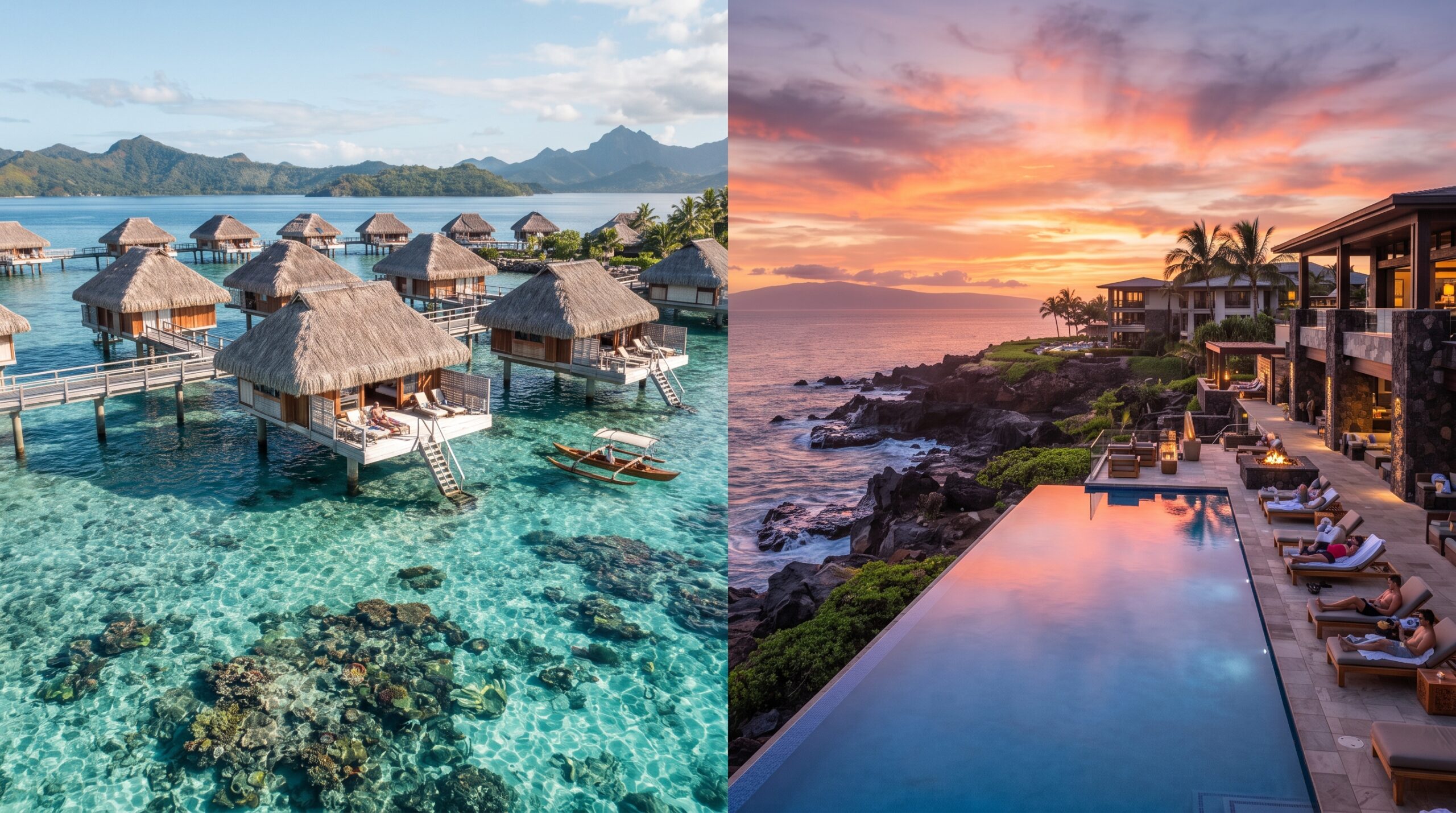
Fiji is famous for exclusive private island resorts, overwater style accommodations, and luxury beachfront villas.

Hawaii offers internationally recognized luxury hotels, oceanfront resorts, wellness retreats, and premium vacation properties.

Budget Hotels

Budget friendly hotels and guesthouses are available in both destinations, although prices vary depending on the island and travel season.

Family Resorts

Families can choose from numerous resorts offering children’s activities, swimming pools, entertainment programs, and beach access in both Fiji and Hawaii.

Private Villas

Private villas are popular for honeymooners, families, and groups seeking extra privacy and spacious accommodations.

Eco Lodges

Eco friendly lodges and sustainable resorts allow visitors to experience nature while supporting responsible tourism and environmental conservation.


Food and Local Cuisine

Food is an important part of every tropical vacation, and both destinations offer memorable dining experiences.

Traditional Fijian Dishes

Popular Fijian foods include:

  • Kokoda (marinated fish)

  • Lovo (earth oven feast)

  • Cassava

  • Taro

  • Rourou (taro leaves)

These traditional dishes reflect Fiji’s Indigenous culture and fresh local ingredients.

Hawaiian Cuisine

Traditional Hawaiian favorites include:

  • Poke

  • Kalua pork

  • Lomi lomi salmon

  • Poi

  • Lau lau

Modern Hawaiian cuisine also combines Asian, Polynesian, and American influences.

Fresh Seafood

Fresh tuna, mahi mahi, snapper, shrimp, lobster, and other seafood are widely available in both Fiji and Hawaii.

Tropical Fruits

Visitors can enjoy fresh tropical fruits such as:

  • Pineapple

  • Mango

  • Papaya

  • Coconut

  • Banana

  • Passion fruit

  • Guava

Local Dining Experiences

From beachfront restaurants to traditional village meals and food markets, both destinations provide authentic culinary experiences that showcase local culture and fresh island ingredients.


Cost Comparison

Budget plays an important role when deciding between Fiji and Hawaii.

Flights

Flight prices depend on your departure location.

For travelers from North America, Hawaii is often easier and less expensive to reach, while Fiji may involve longer flights and additional connections.

Hotels

Both destinations offer accommodations across different price ranges.

Luxury resorts generally command premium prices, while budget hotels and guesthouses provide more affordable alternatives.

Dining

Restaurant prices vary depending on location and dining style.

Local cafés and markets are usually more affordable than high end resort restaurants.

Activities

Costs for snorkeling, scuba diving, island tours, cultural experiences, hiking excursions, and adventure activities differ by destination and operator.

Planning activities in advance can help reduce overall travel expenses.

Transportation

Hawaii offers well developed road networks, rental cars, buses, and domestic flights between islands.

In Fiji, transportation often includes ferries, domestic flights, water taxis, and resort transfers, depending on the islands you visit.

Overall Vacation Budget

Overall costs depend on travel season, accommodation choices, dining preferences, transportation, and planned activities.

Travelers seeking luxury private island experiences may spend more in Fiji, while those planning multi island adventures and sightseeing should also budget carefully for Hawaii. Comparing your expected expenses before booking can help you choose the destination that offers the best value for your travel goals.

Pros and Cons

Choosing between Fiji or Hawaii becomes easier when you compare the strengths and limitations of each destination. Both offer unforgettable tropical vacations, but the best option depends on your travel priorities, budget, and preferred experiences.

Fiji

Pros

Fiji is known for its peaceful atmosphere and spectacular natural beauty, making it a favorite destination for honeymooners, couples, and travelers looking to relax.

  • Beautiful coral reefs with excellent visibility for snorkeling and scuba diving.

  • Peaceful island atmosphere away from large crowds.

  • Friendly local culture and world renowned Fijian hospitality.

  • Exceptional diving, snorkeling, kayaking, and other water activities.

  • Luxury private island resorts offering exclusive and relaxing experiences.

Cons

Although Fiji is a tropical paradise, there are a few factors to consider before booking your trip.

  • Longer travel times for many international visitors.

  • Fewer shopping centers, entertainment venues, and nightlife options compared with Hawaii.

  • Traveling between islands may require ferries, domestic flights, or water taxis, making itinerary planning more important.


Hawaii

Pros

Hawaii combines tropical beaches with mountains, volcanoes, and cultural attractions, making it one of the most diverse vacation destinations in the Pacific.

  • Diverse landscapes including beaches, volcanoes, waterfalls, rainforests, and scenic valleys.

  • Excellent tourism infrastructure with modern transportation and visitor services.

  • Wide variety of outdoor activities, including surfing, hiking, snorkeling, diving, and sightseeing.

  • Rich cultural attractions, historic landmarks, museums, and traditional Hawaiian experiences.

  • Easier transportation between many attractions, especially on individual islands with well developed road networks.

Cons

Despite its many advantages, Hawaii also has some potential drawbacks.

  • Popular destinations can become crowded during peak travel seasons.

  • Hotels, dining, and activities in well known tourist areas may be expensive.

  • Heavy traffic can occur on some islands, particularly around major cities and popular attractions.


Common Mistakes When Choosing a Destination

Many travelers focus only on beautiful photos when comparing Fiji or Hawaii, but making the right decision requires considering several practical factors.

Choosing Based Only on Social Media Photos

Travel photos often highlight only the most picturesque locations. While both Fiji and Hawaii are incredibly beautiful, your overall experience will depend on the activities you enjoy, your travel style, and the island you visit rather than online images alone.

Ignoring Travel Time

Travel time can significantly affect your vacation, especially for shorter trips. Hawaii is generally easier to reach for many travelers from North America, while Fiji often involves longer international flights and additional transfers.

Underestimating Overall Costs

Many people focus only on airfare or hotel prices without considering other expenses.

Be sure to include:

  • Meals and drinks.

  • Transportation between islands or attractions.

  • Excursions and guided tours.

  • Equipment rentals.

  • Resort fees and local taxes.

Planning your full travel budget helps prevent unexpected expenses.

Visiting During Unfavorable Weather

Although both destinations enjoy warm climates, weather patterns vary throughout the year.

Research the best travel season for your preferred activities, whether that’s beach relaxation, surfing, diving, hiking, or wildlife viewing.

Not Researching Island Specific Experiences

Not every island offers the same attractions.

For example, some Hawaiian islands are famous for surfing and volcanoes, while others focus on luxury resorts or quiet beaches. Likewise, Fiji’s islands vary in terms of diving opportunities, cultural experiences, and resort styles.

Learning about each island before booking helps you choose the destination that best matches your interests.

Assuming Every Island Offers the Same Attractions

Both Fiji and Hawaii consist of multiple islands with unique landscapes, accommodations, and activities.

Selecting the right island is just as important as choosing the destination itself. Comparing islands based on your vacation goals will help you create a more enjoyable and memorable travel experience.

FAQs

Is Fiji cheaper than Hawaii?

The overall cost depends on your departure location, travel season, accommodation, and vacation style. For many travelers from North America, Hawaii may have more competitive flight options, while Fiji can involve longer flights and additional transfers. However, both destinations offer a range of accommodations, from budget friendly stays to luxury resorts, allowing travelers to plan a trip that fits their budget.


Which destination has better beaches?

Both Fiji and Hawaii are famous for spectacular beaches, but they offer different experiences. Fiji is known for its peaceful white sand beaches, crystal clear lagoons, and vibrant coral reefs that are perfect for relaxation and snorkeling. Hawaii features a wider variety of beaches, including white, black, and green sand beaches, along with excellent surfing locations and dramatic coastal scenery. The better choice depends on the type of beach experience you prefer.


Is Hawaii or Fiji better for families?

Both destinations are excellent for family vacations. Hawaii offers a larger selection of family friendly attractions, national parks, museums, hiking trails, and organized activities suitable for all ages. Fiji is ideal for families seeking a quieter island escape, with many resorts providing children’s clubs, safe beaches, and family oriented experiences.


Which is better for snorkeling and diving?

Fiji is widely regarded as one of the world’s best destinations for snorkeling and scuba diving because of its healthy coral reefs, exceptional underwater visibility, and abundant marine life. Hawaii also offers excellent snorkeling and diving opportunities, where visitors can explore volcanic reefs and encounter sea turtles, tropical fish, manta rays, and seasonal marine wildlife.


Do I need a visa for Fiji or Hawaii?

Visa requirements depend on your nationality and passport. Many travelers can enter Fiji without a visa for short tourist stays, while Hawaii follows United States entry requirements because it is a U.S. state. Always check the latest immigration rules before booking your trip, as entry requirements can change.


Which destination is better for honeymooners?

Fiji is often considered the better choice for honeymooners thanks to its secluded islands, luxury private resorts, romantic beachfront villas, and peaceful atmosphere. Hawaii is also a popular honeymoon destination, especially for couples who want to combine relaxation with sightseeing, hiking, surfing, fine dining, and cultural experiences.


When is the best time to visit?

The best time to visit Fiji is generally during the dry season from May to October, when the weather is cooler and less humid. Hawaii is a year round destination, although many travelers prefer visiting between April and October for sunny conditions and ideal beach weather. Choosing the best travel dates also depends on your preferred activities, budget, and crowd levels.


Conclusion 

When comparing Fiji or Hawaii, both destinations offer unforgettable tropical vacations with beautiful beaches, warm climates, and memorable cultural experiences. Fiji stands out for its peaceful atmosphere, luxury private island resorts, colorful coral reefs, and exceptional snorkeling and scuba diving. Hawaii offers a wider variety of landscapes, including volcanic mountains, waterfalls, lush rainforests, scenic hiking trails, and world famous surfing beaches, making it an excellent destination for travelers seeking both relaxation and adventure.

If your ideal vacation includes tranquility, exclusive resorts, crystal clear lagoons, and a slower paced island escape, Fiji is an outstanding choice. Its welcoming hospitality, stunning marine life, and secluded beaches create the perfect setting for honeymooners, couples, and anyone looking to unwind in a tropical paradise.

If you prefer combining beaches with volcanoes, hiking, surfing, cultural attractions, shopping, and diverse outdoor activities, Hawaii is likely the better option. Its well developed tourism infrastructure and variety of experiences make it suitable for families, adventure seekers, and first time island visitors.

Ultimately, there is no universal winner in the Fiji or Hawaii comparison. The best destination depends on your budget, travel style, preferred activities, vacation length, and overall travel goals. By considering what matters most to you, whether it’s relaxation, adventure, luxury, or cultural exploration, you can confidently choose the tropical destination that will provide the most rewarding and memorable vacation.

Scroll to Top