
ghee or tallow

Ghee or Tallow: 7 Powerful Differences, Benefits, Uses and Nutrition

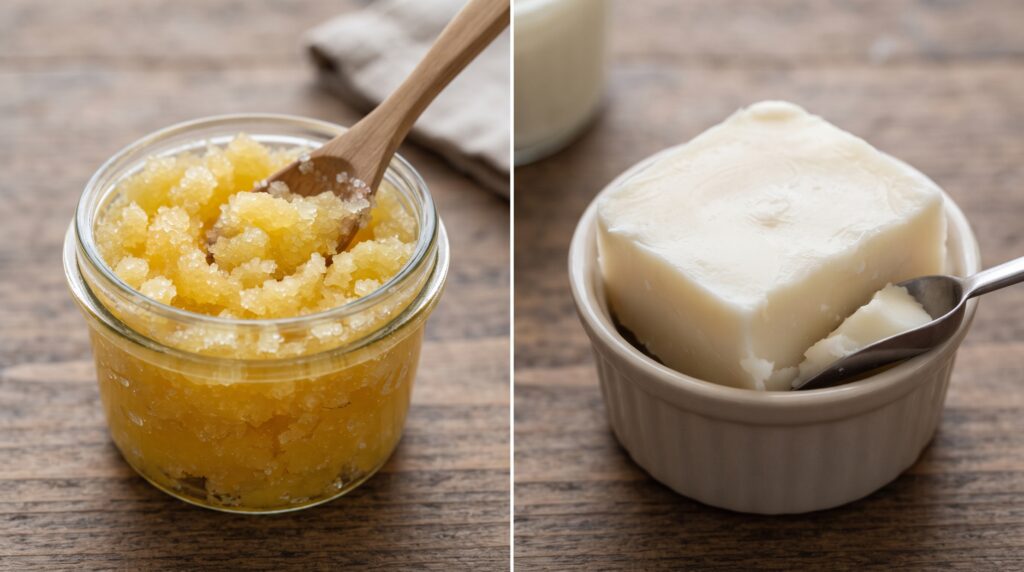
Ghee or tallow are two traditional cooking fats that have become popular again among people interested in cooking, nutrition, and traditional foods. Although both are animal derived fats that can withstand relatively high cooking temperatures, they are made differently and have distinct flavors, textures, and culinary uses.

Ghee is a type of clarified butter made by heating butter and removing most of its water and milk solids. Tallow is a rendered animal fat, most commonly obtained from beef or mutton.

The best choice depends on what you’re cooking, your preferred flavor, dietary needs, and how you plan to use the fat. Understanding the differences between ghee and tallow can help you choose the right option for frying, roasting, baking, and everyday cooking.

Quick Answer

If you’re deciding between ghee or tallow, neither is universally better.

Ghee has a rich, buttery flavor and is widely used in South Asian, Middle Eastern, and other cuisines. It works well for frying, sautéing, roasting, baking, and adding richness to dishes.

Tallow has a more savory flavor and is particularly useful for roasting, frying, cooking meat, and traditional recipes. Beef tallow is also valued for its firm texture and high cooking stability.

In simple terms:

Choose ghee when you want a buttery flavor and versatile cooking fat.

Choose tallow when you want a savory animal fat that works especially well with meat, roasting, and frying.
ghee or tallow

What Is Ghee?

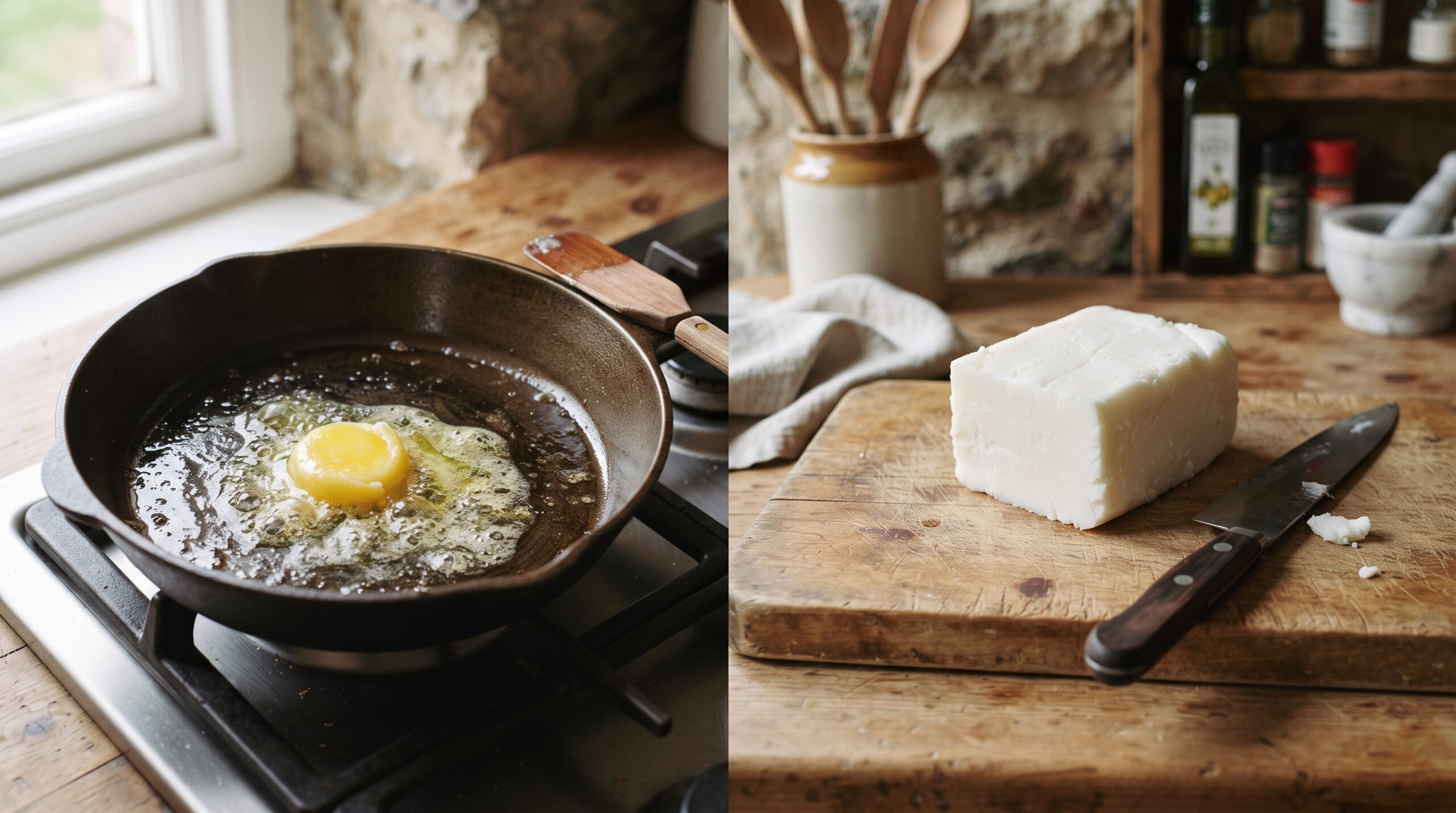
Ghee is a form of clarified butter. It is made by slowly heating butter until its water evaporates and the milk solids separate from the butterfat.

The remaining fat is strained and becomes ghee.

Because most of the water and milk solids are removed, ghee has a concentrated buttery flavor and a firm or semi solid texture at room temperature.

How Ghee Is Made

Traditional ghee production generally involves:

  1. Heating butter slowly.
  2. Allowing the water to evaporate.
  3. Separating the milk solids from the fat.
  4. Straining the remaining butterfat.
  5. Cooling and storing the finished ghee.

The exact production method can vary between manufacturers and traditional recipes.

Common Uses of Ghee

Ghee is widely used for:

  • Frying
  • Sautéing
  • Roasting
  • Baking
  • Rice dishes
  • Curries
  • Vegetables
  • Eggs
  • Spreading on foods

Its rich flavor makes it particularly popular in South Asian cooking.

What Is Tallow?

Tallow is rendered animal fat. It is most commonly produced from beef fat, although tallow can also refer to rendered fat from other ruminant animals.

Rendering involves heating the fat to separate the usable fat from connective tissue and other solids.

Once purified and cooled, tallow becomes a firm fat that can be stored and used for cooking.

How Tallow Is Made

Tallow is generally produced by:

  1. Collecting suitable animal fat.
  2. Cutting or grinding the fat into smaller pieces.
  3. Heating it slowly.
  4. Separating the melted fat from solids.
  5. Filtering the liquid fat.
  6. Cooling it until it becomes firm.

The quality and flavor of tallow depend on the source of the fat and the rendering process.

Common Uses of Tallow

Tallow can be used for:

  • Frying
  • Roasting
  • Cooking meat
  • Deep frying
  • Making traditional recipes
  • Adding richness to savory dishes
  • Certain baking applications

Ghee vs Tallow: Key Differences

FeatureGheeTallow
SourceButterRendered animal fat
Main sourceMilk from cows or other dairy animalsUsually beef fat
Dairy componentsMost milk solids removedNo dairy
FlavorRich and butterySavory and meaty
TextureSmooth and semi solidFirm and waxy when cool
Cooking usesFrying, sautéing, baking and roastingFrying, roasting and meat cooking
Smoke pointRelatively highRelatively high
StorageRelatively stable when properly storedRelatively stable when properly stored
Best flavor pairingVegetables, rice, eggs and curriesMeat, potatoes and savory dishes
Main dietary considerationDerived from dairyDerived from animal fat
Common cuisinesSouth Asian and Middle EasternTraditional Western and meat based cooking

1. How Ghee and Tallow Are Made

The biggest difference between ghee or tallow is their source.

Ghee starts with butter, which comes from milk. The butter is heated to remove water and milk solids.

Tallow starts with animal fat, generally from beef. The fat is rendered and filtered to create a usable cooking fat.

Therefore, while both are concentrated animal fats, their production processes are different.

2. Flavor and Texture

Ghee has a distinctive buttery and slightly nutty flavor. It can add richness without the moisture found in regular butter.

Tallow generally has a deeper savory flavor. High quality, well rendered tallow can have a relatively mild taste, while some varieties have a stronger beef flavor.

Ghee is usually smooth and creamy when solid, while tallow tends to become firmer and waxier when chilled.

3. Cooking Performance

Both ghee and tallow are commonly used for cooking at relatively high temperatures.

Ghee is particularly useful for sautéing, frying, roasting, and cooking foods that benefit from a buttery flavor.

Tallow is especially popular for frying potatoes, roasting vegetables, and cooking meat.

The exact heat tolerance depends on the purity and processing of the fat, so cooking temperatures should still be managed carefully.

4. Nutrition Comparison

Both ghee and tallow are energy dense fats, meaning they provide a significant amount of calories in relatively small portions.

Ghee contains predominantly fat and can contain small amounts of fat soluble compounds. Tallow is also primarily composed of fat, with its fatty acid profile depending on the animal’s diet and other factors.

Neither should be treated as a complete nutritional food. A balanced diet should include a variety of foods and appropriate sources of dietary fats.

5. Ghee or Tallow for Different Cooking Methods

Ghee for Frying

Ghee is a popular frying fat because it has a relatively high smoke point and adds a pleasant buttery flavor.

Tallow for Frying

Tallow has traditionally been used for frying because of its cooking stability and savory flavor.

Ghee for Baking

Ghee can be used in some baking recipes as an alternative to butter or other fats. Because it contains less water than butter, recipes may need adjustments.

Tallow for Roasting

Tallow works particularly well when roasting potatoes, vegetables, and meat because it adds a savory richness.

6. Storage and Shelf Life

Both ghee and tallow can be relatively stable compared with fats that contain more moisture.

Ghee is commonly stored in an airtight container in a cool, dry location. Refrigeration can also be used, particularly depending on the product and storage conditions.

Tallow should also be protected from heat, moisture, air, and contamination. Proper storage helps maintain quality and flavor.

Always follow the storage instructions provided on commercially produced products.

7. Which One Should You Choose?

The choice between ghee or tallow mainly depends on your cooking preferences.

Choose ghee if you:

  • Prefer a buttery flavor.
  • Cook curries and rice dishes.
  • Want a versatile cooking fat.
  • Enjoy South Asian or Middle Eastern cuisine.
  • Want an alternative to regular butter for certain recipes.

Choose tallow if you:

  • Prefer a savory flavor.
  • Cook meat frequently.
  • Roast potatoes or vegetables.
  • Enjoy traditional animal fats.
  • Want a firm cooking fat for specific recipes.


Ghee: Pros and Cons

Pros

  • Rich buttery flavor.
  • Versatile cooking ingredient.
  • Suitable for many frying and sautéing applications.
  • Contains very little water compared with regular butter.
  • Popular in many traditional cuisines.
  • Easy to incorporate into everyday recipes.

Cons

  • High in calories because it is concentrated fat.
  • Not suitable for people avoiding dairy derived foods.
  • Can be relatively expensive depending on quality and brand.
  • Excessive consumption can increase overall dietary fat intake.

Tallow: Pros and Cons

Pros

  • Strong option for frying and roasting.
  • Adds savory flavor to many foods.
  • Firm texture when cooled.
  • Useful for cooking meat and potatoes.
  • Traditional ingredient in several cuisines.
  • Can be rendered at home or purchased commercially.

Cons

  • Stronger flavor may not suit every dish.
  • High in calories.
  • Not suitable for people avoiding animal products.
  • Quality and flavor vary depending on the source and rendering process.

Common Mistakes When Choosing Ghee or Tallow

Choosing Only Based on Health Claims

Neither fat should automatically be considered a “healthy” or “unhealthy” choice without considering the overall diet, portion size, and individual nutritional needs.

Ignoring the Flavor

Ghee and tallow have noticeably different flavors. Ghee works well with buttery and aromatic dishes, while tallow is often better suited to savory foods.

Using Too Much

Both are concentrated sources of fat and calories. Portion size matters regardless of which option you choose.

Buying Poor Quality Products

Look at the ingredient list, source, processing information, and storage instructions before purchasing commercially prepared ghee or tallow.

Assuming They Work Exactly Like Butter

Ghee contains much less water than butter, while tallow has a different composition and flavor. Substituting them in recipes may require adjustments.

FAQs

Is ghee better than tallow?

Neither is universally better. Ghee has a buttery flavor and works well in many types of cooking, while tallow has a savory flavor and is particularly useful for meat, roasting, and frying.

Is tallow healthier than ghee?

Neither should automatically be considered healthier. Both are concentrated dietary fats, and their nutritional effects depend on the overall diet, portion size, and individual health needs.

Can you use ghee instead of tallow?

Yes, ghee can replace tallow in some cooking applications. However, the flavor and texture will be different, so the substitution may not work equally well in every recipe.

Can you use tallow instead of ghee?

Tallow can replace ghee in some savory recipes, particularly for frying and roasting. However, its stronger savory flavor may not be suitable for every dish.

Which is better for frying, ghee or tallow?

Both can work well for frying. Ghee provides a buttery flavor, while tallow gives food a more savory taste. The best choice depends on the recipe and your flavor preference.

Is ghee dairy free?

Ghee is made from butter and is therefore dairy derived. Most of the milk solids are removed during clarification, but people with dairy allergies should not assume that ghee is automatically safe.

Does tallow contain dairy?

Pure tallow does not contain dairy because it is rendered animal fat rather than a milk product. However, commercially prepared products can contain additional ingredients, so checking the label is important.

Conclusion 

When comparing ghee or tallow, both cooking fats have useful qualities, but they are made from different sources and have different flavors.

Ghee is clarified butter with a rich, buttery taste. It is particularly versatile for frying, sautéing, roasting, baking, curries, rice dishes, and vegetables.

Tallow is rendered animal fat, usually from beef. Its savory flavor makes it especially useful for frying, roasting, cooking meat, and preparing traditional savory dishes.

There is no universal winner between ghee and tallow. The better option depends on your recipe, dietary preferences, cooking style, and desired flavor. Whichever fat you choose, moderation and overall dietary balance remain important.

Scroll to Top