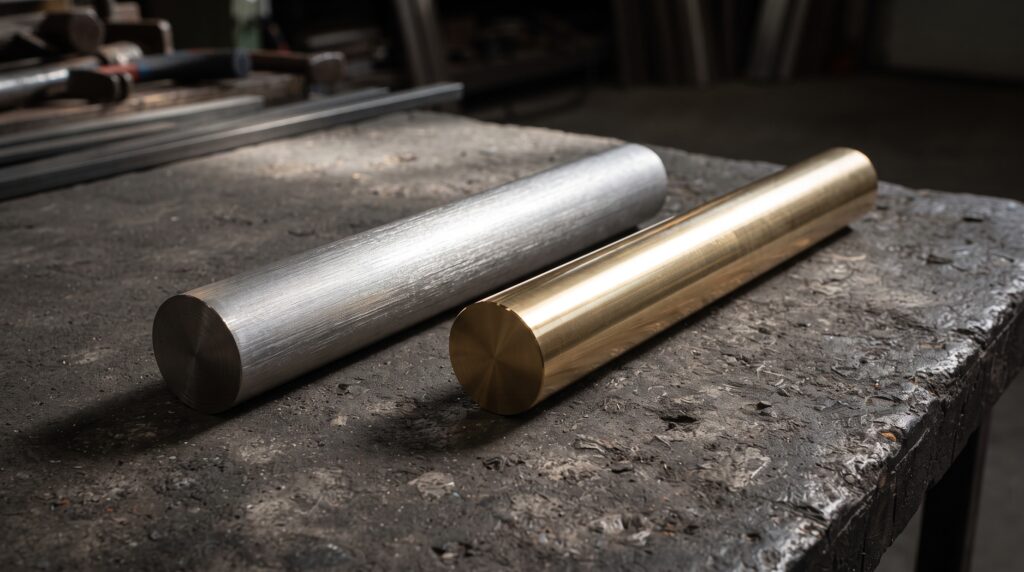
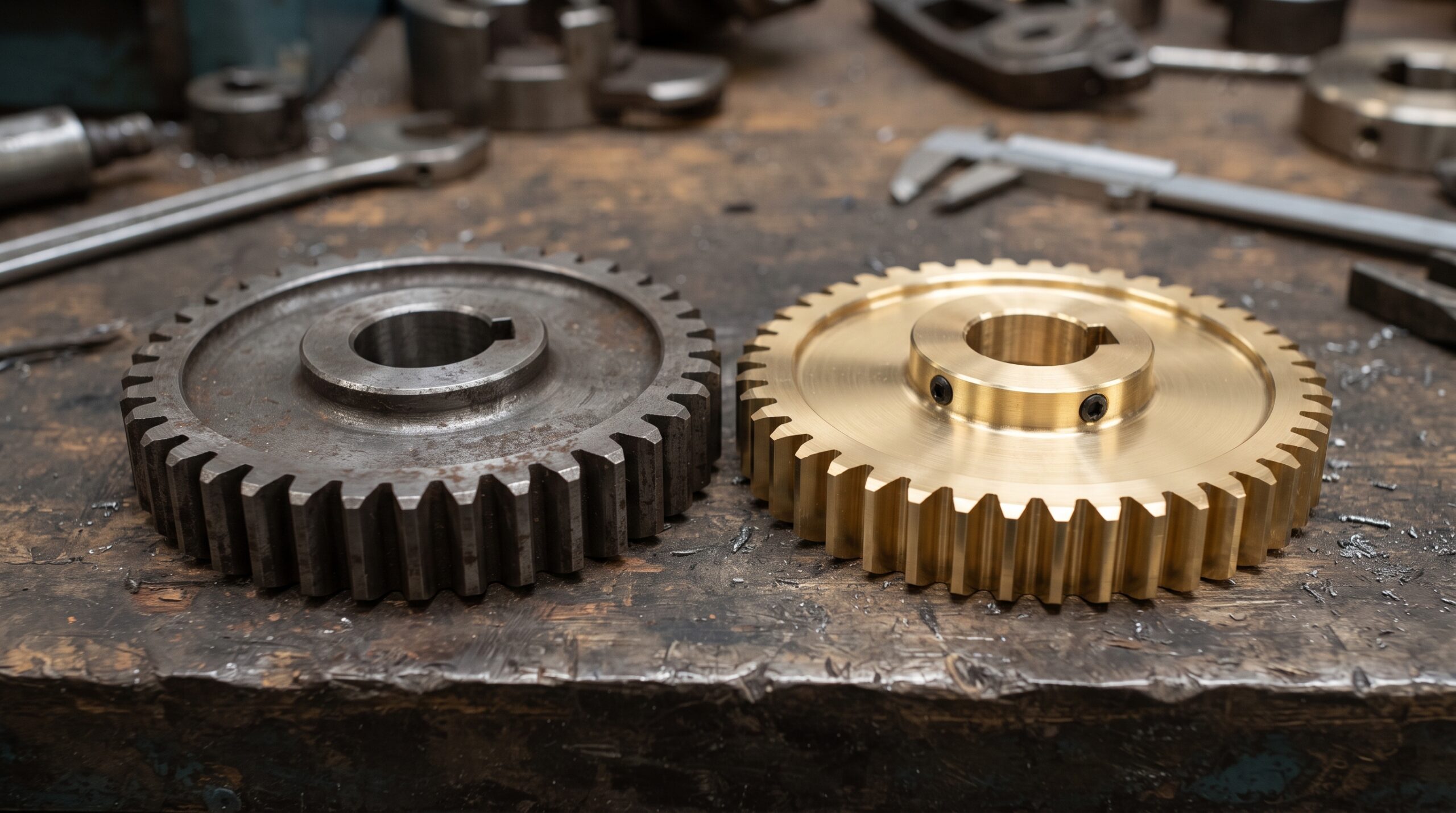
steel or brass comparison

Steel or Brass: 9 Powerful Differences, Uses, Benefits and Best Choice

Steel or brass is a common comparison when choosing a metal for construction, manufacturing, hardware, plumbing, machinery, tools, decorative products, and other applications. Although both materials are durable and widely used, they have different properties that make each one better suited to particular situations.

Steel is an iron based alloy known for its strength, hardness, durability, and wide range of applications. Brass is an alloy primarily made from copper and zinc and is valued for its attractive appearance, corrosion resistance, machinability, and excellent electrical and thermal properties.

Choosing between steel and brass depends on several factors, including strength requirements, corrosion exposure, appearance, budget, weight, maintenance, and intended use.

 Quick Answer

If you need high strength, structural durability, and a wide range of industrial applications, steel is generally the better choice.

If you want corrosion resistance, attractive appearance, easy machining, and good electrical or thermal conductivity, brass may be more suitable.

There is no universal winner between steel and brass because each metal has different advantages.

Choose steel for: construction, machinery, structural components, tools, automotive parts, and applications requiring high strength.

Choose brass for: plumbing fittings, valves, musical instruments, decorative hardware, electrical components, locks, and applications where corrosion resistance and appearance matter.

steel or brass comparison

What Is Steel?

Steel is an alloy primarily made from iron and carbon. Different types of steel can contain additional elements that change their strength, hardness, corrosion resistance, flexibility, and other characteristics.

Steel is one of the most widely used engineering materials in the world.

Main Characteristics of Steel

Steel is known for:

  • High strength
  • Excellent durability
  • Good hardness
  • Wide range of grades
  • High load carrying capacity
  • Good recyclability
  • Versatile manufacturing options

Different steel grades can have very different properties. For example, stainless steel is designed for improved corrosion resistance, while carbon steel is commonly selected for strength and affordability.

Common Uses of Steel

Steel is widely used in:

  • Buildings
  • Bridges
  • Vehicles
  • Machinery
  • Tools
  • Appliances
  • Pipes
  • Structural components
  • Industrial equipment
  • Kitchen equipment

What Is Brass?

Brass is a metal alloy primarily made from copper and zinc. The proportions of these elements can vary, producing brass with different colors and mechanical properties.

Brass has been used for centuries and remains popular in both industrial and decorative applications.

Main Characteristics of Brass

Brass is known for:

  • Attractive golden appearance
  • Good corrosion resistance
  • Excellent machinability
  • Good electrical conductivity
  • Good thermal conductivity
  • Low friction characteristics
  • Easy forming in many grades

Its appearance makes brass particularly popular for products where the metal is visible.

Common Uses of Brass

Brass is commonly used for:

  • Plumbing fittings
  • Valves
  • Door handles
  • Locks
  • Musical instruments
  • Decorative hardware
  • Electrical components
  • Screws and fasteners
  • Marine components
  • Automotive components

Steel vs Brass: Key Differences

FeatureSteelBrass
Main compositionIron and carbonCopper and zinc
StrengthGenerally higherGenerally lower
HardnessOften highModerate, depending on alloy
AppearanceUsually silver, gray, or darkGolden or yellow
Corrosion resistanceVaries by gradeGenerally good
Electrical conductivityLowerHigher
Thermal conductivityLower than brass in many gradesGenerally higher
WeightVariesGenerally relatively heavy
MachinabilityDepends on gradeGenerally excellent
MaintenanceDepends on typeGenerally manageable
CostVaries widelyOften more expensive than basic steel
Best forStrength and structural useFittings, decorative use, and machining

Appearance Comparison

One of the easiest differences to notice between steel and brass is their appearance.

Steel typically has a gray, silver, or dark metallic appearance. Stainless steel can have a bright, polished finish that works well in modern designs.

Brass usually has a warm golden or yellow appearance. It can create a traditional, luxurious, or decorative look.

Steel Appearance

Steel is often chosen when a modern, industrial, or minimalist appearance is desired.

Polished stainless steel, brushed steel, and coated steel can provide different visual effects.

Brass Appearance

Brass is popular for decorative applications because of its warm metallic color.

It can be polished for a bright appearance or allowed to develop a darker patina over time.

Strength and Durability

When comparing steel or brass, strength is one of the most important differences.

Steel generally provides higher strength and load carrying capability than common brass alloys. This makes it a preferred material for structural and heavy duty applications.

Brass is durable but is usually selected for different reasons, such as corrosion resistance, machinability, appearance, and conductivity.

For demanding structural applications, steel is usually the more practical choice.

Corrosion Resistance

Corrosion resistance depends heavily on the exact alloy and environment.

Some steel types can rust when exposed to moisture and oxygen, particularly ordinary carbon steel without appropriate protection.

Stainless steel contains chromium and can provide much better corrosion resistance.

Brass generally has good resistance to corrosion, which is one reason it is commonly used in plumbing, marine hardware, and other applications where moisture is present.

However, brass is not completely immune to corrosion. Certain environments can cause forms of corrosion such as dezincification in susceptible alloys.

Weight Comparison

The weight of steel and brass depends on the specific alloy and component design.

Brass is generally denser than ordinary steel. This means a brass component of the same volume can weigh more than a steel component.

When reducing weight is important, engineers may select steel or another material depending on the required strength and design.

Electrical and Thermal Conductivity

Brass generally conducts electricity and heat better than ordinary steel.

This makes brass useful for certain electrical components and applications where conductivity matters.

Steel is not normally selected when high electrical conductivity is the main requirement.

Machinability

Brass is well known for its excellent machinability.

It can often be cut, drilled, turned, and shaped efficiently, making it useful for precision components and fittings.

Steel can also be machined, but machinability varies considerably between steel grades.

Some specialized steels are designed to improve machining performance.

Cost Comparison

The cost of steel or brass depends on the alloy, product form, manufacturing process, market conditions, and quantity purchased.

Basic carbon steel is often more affordable than brass, making it attractive for large construction and industrial projects.

Brass can cost more because it contains copper, which is a valuable raw material.

However, the cheapest material isn’t always the best choice. Long term performance, maintenance, manufacturing costs, and application requirements should also be considered.

Best Uses for Steel

Steel is generally a strong choice for applications where strength, durability, and structural performance are important.

Construction

Steel is widely used in:

  • Structural frames
  • Beams
  • Columns
  • Reinforcement
  • Roofing components

Automotive Applications

Steel is used in many vehicle components because of its strength and durability.

Tools and Machinery

Many tools, machines, and industrial components are manufactured from different steel grades.

Infrastructure

Steel is commonly used in bridges, railways, pipelines, and other infrastructure.

Best Uses for Brass

Brass is especially useful where corrosion resistance, appearance, machinability, and conductivity are important.

Plumbing

Brass is commonly used for:

  • Faucets
  • Valves
  • Connectors
  • Fittings
  • Plumbing components

Decorative Hardware

Brass is popular for:

  • Door handles
  • Cabinet hardware
  • Light fixtures
  • Decorative fittings

Musical Instruments

Brass alloys are widely used in instruments such as:

  • Trumpets
  • Trombones
  • Tubas
  • French horns

Electrical Components

Brass can be used in terminals, connectors, and other components where conductivity and machinability are useful.

Steel or Brass for Outdoor Use

The better choice depends on the environment.

Ordinary carbon steel can rust when exposed to moisture, rain, and oxygen without appropriate protection.

Stainless steel can perform much better in outdoor and wet environments.

Brass generally provides good corrosion resistance, making it useful for certain outdoor and marine applications.

However, the exact alloy and environmental conditions should always be considered.

Steel or Brass for Plumbing

Brass is commonly used for plumbing fittings because of its corrosion resistance, durability, machinability, and ability to form reliable connections.

Steel can also be used in plumbing and piping applications, particularly when strength and specific engineering requirements are important.

For household fittings such as valves and connectors, brass is often a practical option.

Steel or Brass for Decorative Uses

Brass is usually the more popular choice when appearance is a major consideration.

Its warm golden color can complement traditional, vintage, luxury, and classic interior designs.

Steel, particularly stainless steel, is often preferred for modern and minimalist interiors.

Pros and Cons

Steel

Pros

  • High strength
  • Excellent durability
  • Wide range of grades
  • Suitable for heavy duty applications
  • Often cost effective
  • Widely available
  • Highly recyclable

Cons

  • Some grades can rust
  • Can require protective coatings
  • Heavier than some alternative materials
  • Appearance may be less decorative than brass

Brass

Pros

  • Excellent corrosion resistance
  • Attractive golden appearance
  • Good machinability
  • Good electrical conductivity
  • Good thermal conductivity
  • Useful for plumbing
  • Long service life in suitable environments

Cons

  • Often more expensive than basic steel
  • Generally weaker than structural steel
  • Heavier than some steel components
  • Can develop surface discoloration or patina
  • Certain brass alloys may be unsuitable for specific environments

Common Mistakes When Choosing Between Steel and Brass

Choosing Only Based on Appearance

A metal may look attractive but still be unsuitable for the application. Strength, corrosion exposure, temperature, and mechanical requirements should also be considered.

Assuming All Steel Is the Same

Steel comes in many grades. Carbon steel, stainless steel, alloy steel, and tool steel can have very different properties.

Assuming All Brass Is the Same

Brass alloys can differ in composition and performance. The correct grade should be selected for the intended environment.

Ignoring Corrosion

Moisture and chemicals can significantly affect metal performance. Consider the environment before selecting a material.

Focusing Only on Initial Price

A cheaper metal may require additional coatings, maintenance, or replacement. Consider the total cost over the expected service life.

Hiring or Buying Without Checking Specifications

Always check the material grade and relevant specifications rather than relying only on the general name “steel” or “brass.”


FAQs

Is steel stronger than brass?

In general, many common steel grades are stronger than brass. However, strength varies significantly between specific alloys, so the exact grades should be compared before making an engineering decision.

Is brass more expensive than steel?

Brass is often more expensive than basic carbon steel because it contains copper. Actual prices vary depending on the alloy, market conditions, product size, and manufacturing process.

Which is more corrosion resistant, steel or brass?

Brass generally has good corrosion resistance, while steel performance depends heavily on its grade. Stainless steel can provide excellent corrosion resistance.

Which is better for plumbing, steel or brass?

Brass is commonly used for plumbing fittings because of its corrosion resistance, machinability, and durability. Steel can also be appropriate for certain pipes and specialized applications.

Which is heavier, steel or brass?

Brass is generally denser than ordinary steel, so a brass component of the same volume will usually weigh more.

Which is better for outdoor use?

Neither material is universally better. Stainless steel can perform well outdoors, while brass can also be suitable for certain outdoor and marine environments. The exact alloy and exposure conditions matter.

Does brass rust like steel?

Brass does not rust in the same way iron based steel does because it does not contain iron as its primary component. However, brass can corrode and develop surface changes over time.

Which lasts longer, steel or brass?

Both can have long service lives when the correct grade is selected and the material is used in an appropriate environment. Durability depends on the application, exposure, maintenance, and alloy.

Is brass easier to machine than steel?

Many brass alloys are highly machinable and are commonly used for precision components. Steel machinability varies considerably between grades.

Which is better for decorative hardware?

Brass is often preferred for decorative hardware because of its warm golden appearance. Stainless steel is a popular alternative for modern and minimalist designs.

Conclusion 

The choice between steel or brass depends on what you need the material to accomplish.

Steel is generally the better option when high strength, structural performance, durability, availability, and cost effectiveness are important. It is widely used in construction, vehicles, machinery, tools, infrastructure, and industrial applications.

Brass is often the better choice when corrosion resistance, attractive appearance, machinability, and conductivity are important. It is widely used for plumbing fittings, valves, decorative hardware, electrical components, and musical instruments.

There is no universal winner in the steel vs brass comparison. The best material depends on the specific alloy, environment, budget, design requirements, expected lifespan, and intended application.

Before choosing between steel and brass, compare the actual material grades rather than relying only on the general name of the metal. This will help you select a material that provides the right balance of strength, durability, corrosion resistance, appearance, cost, and performance.

Scroll to Top